Author: Tamara Baumann

  • A New Bacterial Species Identified as the Cause of the ‘Putrificus’ Cheese Defect

    A New Bacterial Species Identified as the Cause of the ‘Putrificus’ Cheese Defect

    Agroscope and its Italian counterpart CREA (Consiglio per la ricerca in agricoltura e l’analisi dell’economia agraria) have described the new bacterial species Clostridium caseinilyticum sp. nov., isolated from cheese with the ‘putrificus’ quality defect and from silage. The study sheds light on potential causes and can contribute to the development of preventive measures.

    Several Clostridium species are responsible for significant losses in the food industry. In particular, certain hard and extra-hard cheeses occasionally exhibit a defect designated as a putrid degradation of the cheese matrix (‘putrificus‘) sometimes resulting in significant losses. Agroscope and CREA researchers have characterised a novel, obligately anaerobic, spore-forming and motile bacterium isolated both from cheeses with this defect and from silage. Despite constituting a distinct species, this new strain, dubbed Clostridium caseinilyticum sp. nov., was long confused with Clostridium sporogenes, which until recently was regarded as responsible for the ‘putrificus’ defect.

    Clostridium caseinilyticum sp. nov. isolated from various sources

    The type strain of the new species, FAM 1755T, was obtained in 1983 from a Swiss Emmentaler cheese with the ‘putrificus’ defect. The two other strains studied, CREA 4990 and FAM 27665, were isolated in 2022 and 2012, respectively – the former by the Italian partners from a Grana Padano with the same defect, the latter from Swiss silage. It has only recently been noted that these isolates, previously attributed to the species Clostridium sporogenes, actually form a distinct species.  

    Description of the new bacterial species

    The rod-shaped, Gram-positive cells of the isolate FAM 1755T measure 3–4.5µm in length and 0.7–0.9µm in width. Investigation of the family relationships via whole-genome and 16S-rRNA gene sequences places the new taxon close to Clostridium tepidum DSM 104389T and members of the Clostridium botulinum Group I such as Clostridium sporogenes DSM 795T. The new species grows in a somewhat lower temperature range (20–40 °C) than C. tepidum and C. Sporogenes and is more halotolerant than C. tepidum. Although genetically closer to C. tepidum, its growth preferences tend to resemble those of C. sporogenes, a species growing under similar conditions in the cheese and with which it was long confused. Unlike C. tepidum, the new species consistently hydrolyses lactoproteins – a characteristic associated with cheese spoilage. For this reason, we suggest the name Clostridium caseinilyticum sp. nov., meaning ‘Clostridium that degrades casein’.

    Clostridium caseinilyticum sp. nov. Picture: Emilie Michellod, Agroscope

    More-targeted prevention of cheese defects in future

    Screening raw milk for proteolytic Clostridia could prevent this species entering the processing line via the milk. Adhering to good hygiene and production practices also helps to minimise the risk of cheese spoilage during the ripening process. The description of the new species paves the way for further studies on the conditions promoting or impeding its growth in the cheese, and for the development of suitable preventive measures that can be applied during milk production and processing.

    Conclusions

    • Researchers have described a novel, obligately anaerobic, spore-forming and motile bacterium with the name Clostridium caseinilyticum sp. nov., isolated from hard and extra-hard cheeses with quality defects and from silage.
    • The new species is responsible for the ‘putrificus’ cheese defect long attributed to its close relative Clostridium sporogenes.
    • The description of Clostridium caseinilyticum sp. nov. paves the way for a better understanding of both the factors favouring its growth in cheese and the associated defect.
    • The identification of the role of Clostridium caseinilyticum sp. nov. in cheese spoilage highlights the necessity of targeted monitoring and prevention strategies.
  • How Voluntary Climate Protection Measures Can Be Successful

    How Voluntary Climate Protection Measures Can Be Successful

    Private initiatives such as carbon credit trading can support public policies aimed at reducing greenhouse gas emissions. Agroscope and ETH Zürich examined factors which influence the effectiveness of such initiatives.

    The Swiss Climate Strategy 2050 emphasises the importance of private initiatives in achieving climate targets and urges all stakeholders in the value chain to take responsibility through their own actions. As a result, private stakeholders such as the Swiss producer cooperatives Mooh and Fenaco have launched schemes to offer carbon credits to farmers. Since participation in these private initiatives is voluntary, in addition to cost-benefit considerations, behavioural economic factors such as a reluctance to change or a desire to imitate colleagues play an important role in estimating the reduction potential of these carbon credits.

    Modelling four behavioural scenarios

    The agent-based model FARMIND developed by ETH Zürich was used to assess the impact of behavioural economic factors. It simulates farmer behaviour derived from purely profit-driven decisions and is based on interviews and surveys with 49 dairy and beef farmers in the Zürcher Flaachtal.

    The study used the model to examine the contribution of two practice-based and easily controllable climate mitigation measures: using the feed additive 3-NOP (the active ingredient in the commercial product Bovaer) and substituting bought-in concentrates with farm-grown legumes.  Four scenarios with different behavioural patterns were simulated to evaluate the impact of behavioural factors on the uptake of the greenhouse gas (GHG) mitigation measures – and thus on their success.

    • Scenario 1 (optimisation) assumes that farmers adopt purely profit-maximising strategies and serves as a reference to understand the impact of behavioural factors.
    • Scenario 2 (imitation) assumes that farmers are inclined to adopt climate mitigation measures successfully implemented by other farmers in their social network.
    • Scenario 3 (reluctance to change) models the tendency among farmers to stick to familiar practices without being influenced by their colleagues or maximising their profits.
    • Scenario 4 (combined) combines the imitation of colleagues (Scenario 2) with reluctance to change (Scenario 3). This scenario takes into account specific empirical information about risk preferences and how sensitively farmers respond to changes made by colleagues in their social network.

    Carbon credit prices ranging from zero to 200 Swiss francs were simulated for each scenario. By comparing the different scenarios, it was possible to estimate the overall GHG reduction potential relative to a pure profit maximisation strategy, and the impact of different pricing levels.

    Imitating proven measures increases the GHG reduction potential

    The results show that when profit-driven behaviour alone is considered, a carbon payment of 150 CHF could reduce emissions by up to 24% based on the maximum reduction potential of the feed additive 3-NOP (see Figure). However, when reluctance to change is taken into account, the reduction potential drops dramatically to just 7%.

    When social effects through the imitation of successful adopter are considered, the results improve compared with the pure profit optimisation scenario, increasing the GHG mitigation potential to 19% in the simulations.

    Maximum greenhouse gas reductions are achieved with a carbon credit price of 150 CHF per tonne of CO₂ equivalent. The potential for further GHG reductions stagnates at higher prices levels.

    Private-sector initiatives support public climate mitigation policies

    The simulations show that behavioural factors must be considered in addition to profit maximisation when evaluating the potential of private-sector initiatives – carbon credits in this case – to reduce greenhouse gas emissions. In this study, the behavioural factors under consideration reduce the reduction potential, although private-sector initiatives alone would not achieve the proposed targets of the Swiss Climate Strategy, which aims to reduce agricultural emissions by 25 per cent from 1990 levels by 2030 (see dotted line in Figure 1). Nonetheless, private-sector initiatives play a crucial role and support public climate mitigation measures.

    Figure 1: Average GHG emission reduction per tonne of CO2-equivalent in the four different scenarios

    Conclusions

    • Feed additives such as 3-NOP (Bovaer) or substituting bought-in concentrates with farm-grown legumes can contribute to reducing greenhouse gas emissions without impacting production levels.
    • Private-sector initiatives such as carbon credits can help to achieve emission targets by making the adoption of technical measures more attractive to farmers.
    • When evaluating the potential of greenhouse gas reduction measures, behavioural factors such as reluctance to change must be considered. The assumption that decision-making is driven purely by profit maximisation overestimates the reduction potential.
    • Social networks which enable farmers to share information about successful climate mitigation measures increase the potential of voluntary credits to reduce greenhouse gas emissions.  Integrated strategies which combine private-sector initiatives (such as carbon credits) with public policies (such as supporting adapted livestock production methods and systems) are essential to reduce agricultural GHG emissions.
  • Can Odour Impacts Be Reliably Determined by Assessors?

    Can Odour Impacts Be Reliably Determined by Assessors?

    Livestock husbandry poses challenges in determining odour impacts due to the heterogeneity and spatial extent of its odour sources. Agroscope and Empa have refined a method using trained assessors and validated it with tracer gases.

    Assessing the odour impacts of farms with livestock husbandry and biogas plants and of neighbouring farms poses a challenge due to the spatial extent, heterogeneity and variety of the odour sources. Methods for determining odour impacts are sometimes criticised for their inadequate reliability and the subjectivity of their sensory analyses. The aim of this study was to validate an optimised method for investigating odour plumes using trained assessors.

    Good agreement among the assessors

    Clear definitions and warm-up and comparison rounds served to train and calibrate the assessors in terms of their odour perception. When all assessors were placed at the same location there was good agreement for progression over time as well as for odour intensity ratings. Whereas the heretofore common approach only recorded the frequency of recognisable odour, the optimised method allowed assessors to record both frequency and six odour-intensity levels, including weak odour and mixed odour.

    Tracer and odour decay with distance to the source

    Two different tracer gases were dosed in the odour-relevant areas of the livestock housing and biogas plant on each of two farms. On both farms, a marked decay in the plume with increasing distance to the source was observed both for the odour parameters and the tracer gases. Assessor odour perception correlated well with the tracer gas concentration, which served as an objective measure of dispersion.

    Tracers used to differentiate interactions of multiple sources

    The livestock and biogas areas were spatially nested on one farm and separated on the other farm. In the combined source configuration, both tracer gases showed a perfect match: the entire combined source was mapped with just one tracer gas. In the spatially separated configuration, however, each position was individually exposed, depending on proximity to the individual odour and tracer sources. In combination with the respective wind direction, spatially extended odour sources have a great bearing on odour impact. For more complex situations with multiple odour sources, such a combined source- and tracer-related approach can be used to trace the individual contribution to the impact and to design appropriate mitigation strategies.

    Conclusions

    • Odour decay with increasing distance, determined by trained assessors, correlates well with the tracer gas concentration, which serves as an objective measure of dispersion.
    • Using two different tracer gases, it is possible to track the dispersion of two different odour sources based on their spatial arrangement via the concentration ratio of the two tracers.
    • By combining the two parameters ‘odour frequency’ and ‘odour intensity’, ‘weak odour’ and ‘mixed odour’ can also be taken into account.
    • The refined method supports an objective assessment of odour impacts and is also suitable for developing mitigation strategies.
  • Bioprospection of Metschnikowia pulcherrima for Chasselas vinification

    Bioprospection of Metschnikowia pulcherrima for Chasselas vinification

    With its positive contribution to aroma, Metschnikowia pulcherrimais emerging as a valuable yeast in winemaking. The trial conducted suggests that bioprospection is an effective strategy for leveraging local microbial biodiversity.

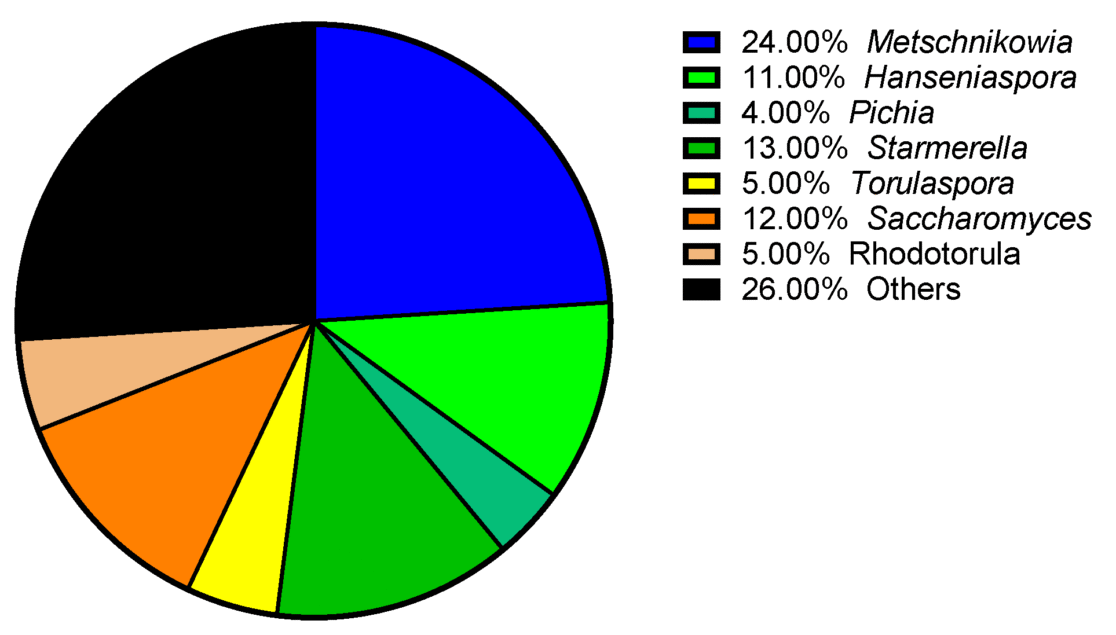
    In 2021, a campaign for the isolation and genetic identification of microorganisms was conducted in four Swiss Cantons by taking samples from the vineyard and the cellars. Seven yeast genera were isolated, among which Metschnikowia pulcherrima (Mp) accounted for 24% of the total population (Figure 1). After isolation and the establishment of a biobank, these strains were tested during fermentation to assess their biochemical parameters and their ability to produce volatile compounds. The aim was to select a low-fermentation-strength yeast capable of producing an abundance of higher alcohols while generating only low amounts of undesirable compounds (acetic acid or acetaldehyde). The results showed a wide variability between the isolates. Ultimately, the Mp strain isolated in the Canton of Vaud (UASWS2926 VBI-A02) was retained for vinification testing of Chasselas must in the laboratory (2021) and afterwards in an experimental cellar (2022) owing to its outstanding production of 2-phenylethanol and its low levels of undesirable compounds. The aim was to discover whether this yeast could contribute to the creation of new aromas to enrich the aromatic profile of Chasselas wine.

    Figure 1: The seven main yeast general isolated via bioprospection in the four Cantons of French-speaking Switzerland.

    Wide microbial variability in the cellar

    In the laboratory, two conditions were compared: a classic fermentation (CC) with a commercial Saccharomyces cerevisiae (Sc) strain, and a sequential fermentation (SF) in which Mp was inoculated five days before Sc. Microbiological monitoring of alcoholic fermentation (AF) was performed via flow cytometry (FCM) to measure cell concentration and activity using fluorescent markers. In addition, samples were taken to determine biochemical parameters via high-performance liquid chromatography (HPLC). A trial was then conducted in the cellar in which three conditions were tested: CC, SF and pied de cuve (PDC) using a starter prepared from grapes one week before the harvest. The results of the cellar trial (Figure 2) show that Mp exhibits low fermentation activity before the inoculation of Sc.  Moreover, the results obtained via FCM indicate that Mp remains active, albeit in low amounts, until the addition of Sc, which corroborates the observations made in the laboratory.

    Figure 2: A. Densitometric analysis of the cellar fermentations. Classic Cuve: Sc; Pied-de-Cuve: PDC; MP + Sc seq: Mp/Scin SF. B. Sc and Mp cell growth kinetics at cellar scale obtained via FCM analysis. Classic Cuve: Sc; Pied-de-Cuve: PDC; MP: Mp; Sc seq: Sc in SF. C. CFDA fluorescence in different conditions at cellar scale obtained via FCM analysis. Classic Cuve: Sc; Pied-de-Cuve: PDC; MP: Mp; Sc seq: Sc in SF.

    Samples were taken at different stages of AF (must in cellar, 1/3 into AF, 2/3 into AF, end of AF), to enable DNA extraction, amplification and sequencing with the aim of identifying the microbial communities present in the Chasselas must. The results highlighted a wide variability between the three conditions tested (Figure 3). It was observed that after inoculation of Mp into the must, the relative abundance of autochthonous yeasts such as Hanseniaspora uvarum and fungi such as Aureobasidium pullulans decreased with respect to the PDC condition. By contrast, H. uvarum and other yeasts persisted in the presence of Sc throughout AF in the PDC condition. The wines underwent malolactic fermentation, chemical stabilisation and filtration before being bottled to await tasting.telles que Hanseniaspora uvarum et des champignons tels qu’Aureobasidium pullulans a diminué par rapport au PDC. Dans ce dernier, en revanche, H. uvarum et d’autres levures ont persisté en présence de Sc tout au long de la FA. Les vins ont subi une fermentation malolactique, une stabilisation chimique et une filtration avant d’être mis en bouteille en attendant d’être dégustés.

    Figure 3: Relative abundance of fermenting yeasts at different stages of fermentation in the cellar.  CC (before inoc.): Classic Cuve before inoculation of Sc; CC (after inoc.): Classic Cuve after inoculation of Sc; CC 1/3, 2/3, end AF: Classic Cuve at 1/3 into, 2/3 into and end of AF. PDC: PDC; PDC (before inoc.): condition before the inoculation of PDC. PDC (after inoc.): condition after inoculation by the PDC. PDC 1/3, 2/3, end AF: Cuve inoculated by the PDC 1/3 into, 2/3 into and at end of AF. SF: Mponly; SF (before inoc.: state before the inoculation of Mp. SF (after inoc.): state after the inoculation of Mp. SF 1/3, 2/3, end of AF: Modality with SF at 1/3 into, 2/3 into and end of AF.

    Mp contributes an aromatic note

    Biochemical analysis of the wines revealed no major differences between the different conditions. Nevertheless, the sensory analysis revealed a slightly more floral character in the SF wine than in the PDC wine, although the difference was not statistically significant. By contrast, the SF wine exhibited a significantly stronger lactic character, and the wines from the CC and SF conditions were preferred to those of the PDC condition.

    Conclusions

    • The autochthonous strain of Metschnikowia pulcherrima isolated in the Canton of Vaud and used for sequential fermentation with Saccharomyces cerevisiae (Sc) does not ferment the sugars or interfere with the fermentation of Sc.
    • Flow cytometry allowed us to precisely follow the cellular metabolic activity of species present over the course of alcoholic fermentation. Moreover, the results of the molecular biology sequencing in the cellar, performed at different stages of fermentation, revealed a significant microbial variability among the tested conditions.
    • Our bioprospection strategy using Metschnikowia pulcherrima in sequential fermentation has enabled us to obtain Chasselas wines exhibiting more marked floral and lactic aromas.
  • Why Acceptance of Digital Technologies Varies among Swiss Farmers

    Why Acceptance of Digital Technologies Varies among Swiss Farmers

    Acceptance of future digital technologies among farmers depends not only on how open the farmers are to digitalisation, but also primarily on concrete, farm-specific risk-benefit assessments.

    Digital technologies in agriculture promise improved productivity, animal welfare and sustainability. Nevertheless, acceptance of these technologies by Swiss family farms remains patchy. Agroscope and ETH researchers examined which factors influenced farmers’ attitudes to and acceptance of two contrasting digital technologies, viz., virtual fencing and autonomous hoeing robots. A survey of 939 Swiss farmers engaged in arable farming and livestock husbandry was conducted 2021.

    Pros and cons of digital tools are various

    Swiss farmers’ acceptance of virtual fencing and autonomous hoeing robots depends both on age, education and digital competence as well as financial status.

    Larger farms and those with higher manpower capacity are more open to virtual fencing, whilst fully autonomous hoeing robots appeal primarily to farmers of higher educational level. Acceptance depends not only on attitudes towards digital technologies in agriculture, however, but also on application-specific needs; hence, a clear benefit-risk assessment and customised support are key.  

    Leeway for policy actors

    The study showed that the acquisition of digital skills, peer-learning platforms and model farms are suitable for increasing trust in digital tools and lowering entry barriers, since one of the main obstacles is the currently low level of digital competence. Training programmes and targeted advanced digital training initiatives could remedy this deficit. Another major obstacle could be overcome by setting up pilot farms and furnishing the testimonies of like-minded people who inspire confidence and offer relatable experiences. Here, there is room for manoeuvre for agricultural policy actors.

    Networked farmers perceive fewer barriers

    Networks of farmers focusing on digital technologies whose content and exchange formats are tailored to specific tools and agricultural contexts can break down barriers. 

    An important finding of the study is that a one-size-fits-all strategy does not take the differing needs of the farmers into account. A flexible, technology- and farm-specific approach is what is needed.

    Conclusions

    • Farmers’ attitudes to the two future digital technologies – virtual fencing and autonomous hoeing robots – are influenced by (younger) age, formal education, an affinity with technology, greater digital competence and secure financial circumstances.
    • Acceptance of virtual fencing is influenced by farm size, manpower capacity, the farmers’ attitudes towards digital technologies in agriculture, digital competence, and the perception of risk and benefit.
    • Acceptance of autonomous hoeing robots is influenced by farmers’ perceptions, educational level and risk-benefit perception. Farm size and structure are less relevant.
    • Acceptance of digital technologies depends not only on a general openness to digitalisation, but also in particular on concrete risk-benefit assessments, which must be undertaken for each individual technology and farm.
  • Smart Farming: Public Acceptance Rises When Benefits Are Stressed

    Smart Farming: Public Acceptance Rises When Benefits Are Stressed

    Agroscope investigated the Swiss population’s acceptance of digital technologies. Tools and technologies were rated more positively in plant production than in animal husbandry.

    The aim of the Agroscope studies was to examine the public perception of plant- and animal-related smart farming technologies. For this, Agroscope researchers conducted a qualitative survey of 287 German-speaking people in 2021 and a quantitative survey of a total of 383 people from both French- and German-speaking Switzerland in 2023.

    Animal welfare, the environment and social aspects were key concerns

    In both studies, smart farming technologies were essentially perceived as positive. In the first study, participants generally rated two plant-related technologies (spray drones and hoeing robots) more positively than two animal-related ones (virtual fences and milking robots). Animal welfare was a key concern of the survey participants, who generally viewed virtual fences as fairly negative and had mostly neutral perceptions of milking robots.

    Environmental aspects dominated the perception of technologies in plant production. Despite  several reservations (concerning e.g. animal welfare, noise and soil compaction), all the technologies were associated with progress and innovation. Technologies that supported the reduction of pesticide use in plant production were perceived in a particularly positive light. All in all, environmental, animal welfare and social aspects strongly influenced perception.

    Differing perceptions and contradictions

    The second study also revealed a greater acceptance of plant-related technologies. Here, though, there was a difference between the sexes: women tended to be more critical of milking robots than men, particularly in terms of animal welfare and environmental protection. By contrast, political orientation, i.e. whether people tended to place themselves on the left, centre or right of the political spectrum, did not significantly influence the acceptance of a technology.

    An interesting contradiction was revealed with regard to soil compaction by hoeing robots: whereas experts expect a reduction in soil compaction through the use of hoeing robots, lay people perceived the use of technology as increasing the risk of further soil compaction. This could be because lay people find it difficult to estimate the size of these machines.

    All in all, however, both surveys pointed to an essentially positive perception and general interest in smart farming technologies. Acceptance therefore depends heavily on the sphere of use (plant vs. animal) and on the perceived risks posed by the technology.

    How can acceptance be further increased?

    Although milking robots are far less common on Swiss farms than they are in other countries, the ability of milking technology to reduce workload has caused a surge in their use. Communicating the benefits of new technologies also leads to their positive perception outside of the farm context.

    In addition to animal welfare and social aspects, the perceived naturalness of foods produced with the help of smart farming was important for the survey participants. The higher the ‘naturalness’ rating of the products produced, the greater their acceptance.

    Conclusions

    • Animal welfare, social aspects and the ‘naturalness’ of foods strongly influence the acceptance of smart farming technologies.
    • Environmental aspects were key for the perception of technologies in plant production.
    • Animal welfare aspects were key for the perception of technologies in animal production.
    • All in all, technologies in plant production were rated more positively that those in the livestock sector.
    • The acceptance of new technologies is particularly high when the benefits for livestock, farmers and the environment are stressed.
  • Net Zero for Agriculture Within the City of Zurich: An Achievable Goal?

    Net Zero for Agriculture Within the City of Zurich: An Achievable Goal?

    How can urban agriculture in Zurich move toward the net-zero target? A FiBL study shows that major restructuring would be necessary to reach the goal – although smaller measures can still help bring it closer.

    The city of Zurich aims to achieve net-zero direct greenhouse gas emissions (GHG) by 2040, which also includes the city’s agricultural areas.

    Participatory scenario development and modelling

    For the study, Zurich’s urban agriculture was modelled as a single enterprise. Using the current status quo as a baseline, four exploratory scenarios were developed through a participatory process involving stakeholders. The goal was to combine known measures to present a range of options. These measures include reduced tillage, lower livestock numbers by adapting them to locally available roughage, and using biomass for biogas production. The scenarios were evaluated using four quantitative indicators (GHG, fossil energy consumption, income effect, and food production).

    Net-zero through far-reaching measures

    Zurich can achieve the net-zero target, but this would require giving up livestock farming and compensating for remaining emissions through tree planting and biochar. Other effective measures include grassland-based dual-purpose breeds with extended lifespan for meat and milk production, reduced mineral fertilizer and feed imports, electrification of farming processes, and widespread biomass use for biogas. However, these alone do not lead to net-zero.

    Efficient use of local resources reduces emissions while increasing output

    The study reveals significant trade-offs between climate protection, economic viability, and food production. Measures known today and necessary for net-zero cause significant costs and income losses, as well as a 16 % drop in food production. In contrast, efficient local resource use and the abandonment of fertilizer and feed imports increase net GHGE but boost protein output by 55 % and reduce GHG per kilogram of protein. Economically, these measures perform relatively well.

    Feed imports drive high fossil energy use

    Abandoning imported feed and mineral fertilizers reduces fossil energy consumption by up to 85 %. Especially non-ruminants, such as boarding horses or pigs, could then only be kept to a limited extent.

    Net-zero hampered by multifunctionality

    Agriculture, especially in urban contexts, serves various roles, including food supply, biodiversity, education, and recreation. Focusing solely on climate goals may lead to conflicts depending on the measures taken.

    Methodology as example for others

    The modelling approach, involving practitioners, can serve as a model for similar processes. It enables participatory scenario development and lays the foundation for broader consensus on feasible climate protection measures.

    Conclusions

    • The net-zero target is achievable through profound measures, especially regarding livestock farming and compensation with trees and biochar – though with negative impacts on protein production and profitability of current farm types.
    • Alternative strategies show that efficiency gains and circularity can reduce emissions per unit of product and dependency on fossil fuels.
    • Climate strategies in agriculture must actively address goal conflicts and reconcile them with other societal demands.
    • The participatory modelling approach can serve as a template for other agricultural strategies.

  • Blueberries Prefer Acid Soils – but too much Acidity is Detrimental

    Blueberries Prefer Acid Soils – but too much Acidity is Detrimental

    Although there is enormous microbial diversity in blueberry substrate, there is no strong correlation between diversity and yield, according to a new Agroscope study examining the interaction of soil biology and cropping system.

    In recent decades blueberry crops have become increasingly important at both national and international level. In Switzerland, around 700 tonnes of blueberries were produced and marketed in 2024.

    For both biological and physicochemical reasons, soil and substrate are decisive factors for blueberry production. Of particular importance are mycorrhizal fungi, which live on the roots and help blueberry plants absorb nutrients that are in short supply, such as nitrogen and phosphorus.

    Agroscope conducted a study on nine blueberry plantations to determine the influence of mycorrhizal fungi on plant yield and vegetative growth. The aim was to gain a better understanding of the role of soil microbiology in blueberry cultivation and to develop potential optimisation strategies for sustainable production.

    Several thousand species groups of bacteria and fungi

    The study revealed an immense variety of bacteria and fungi in the substrates of all plantations. Several thousand microbial species groups were identified, highlighting the biological complexity and the potential of these substrates.

    Although the plantations examined clearly differed in terms of the prevalence and composition of microbial diversity, no significant difference in the prevalence of mycorrhizal fungi was found between organic production and integrated production (IP). This suggests that the production system affects these specific microorganisms less than previously assumed.

    No significant effect of microbial diversity on yield

    In addition, although no significant correlation was found between the microbial diversity of the substrate and agronomic performance, previous studies showed that mycorrhizal fungi and other soil microorganisms may be crucial for plant health and nutrient uptake. This suggests that other factors such as nutrient availability or management practices play a more important role on the plantations studied.

    Targeted pH management pays off

    Substrate pH also proved to be a key factor in agronomic performance. True, blueberries require an acid environment for optimal growth, but too low a pH can negatively affect growth and yields. The significantly positive correlation between pH and yield underscores how important targeted pH management is for high-yielding, sustainable blueberry production.

    The results of this study highlight the importance of holistic substrate management that not only takes into account the microbial population but also focuses on physicochemical parameters such as pH and nutrient supply.

    Conclusions

    • The nine blueberry plantations studied harboured an enormous variety of bacteria and fungi in the substrate.
    • There was no significant difference in the prevalence of mycorrhizal fungi between organic and IP plantations.
    • The microbial diversity of the substrate was not positively correlated with the agronomic performance of the blueberries.
    • Agronomic performance increased along with increasing pH, showing that targeted pH management is an important foundation for high-yielding, sustainable blueberry production.
  • Which Tomato Plant is Compatible with Which Natural Antagonist of the Tomato Leafminer?

    Which Tomato Plant is Compatible with Which Natural Antagonist of the Tomato Leafminer?

    Agroscope researchers tested three natural antagonists of the tomato leafminer on six tomato genotypes. Of the three genotypes displaying a degree of resistance, two were found to be compatible with the natural enemies of the pest.

    The combination of host-plant resistance and biological control methods represents a promising strategy for the sustainable management of the tomato leafminer Phthorimaea (Tuta) absoluta, an invasive pest from Latin America that poses a threat to tomato crops worldwide. Combination trials of this sort are conducted because the tomato plants themselves can have a negative impact on the pest’s natural enemies, and can thus adversely affect the efficacy of the pest-control method used. In an Agroscope study, experts therefore investigated the performance of three natural enemies on six tomato genotypes with differing levels of reistance to the tomato leafminer P. absoluta.

    Performance of natural antagonist only declined in one case

    First, the effectiveness of the egg parasitoid Trichogramma achaeae was evaluated on the eggs of P. absoluta raised on various tomato genotypes. Next, the performance of the larval parasitoid Necremnus tutae was studied on tomatoes harbouring P. absoluta larva. Lastly, the predatory behaviour of the predatory bug Macrolophus pygmaeus towards P. absoluta eggs and larva was evaluated.

    Neither tomatoes heavily infested with the pest nor the resistant domesticated tomato Corona F1 or the resistant wild tomato Solanum neorickii negatively affected parasitisation rates or the survival of the antagonist. By contrast, the resistant wild tomato S. arcanum reduced the performance of the two parasitoids and the efficacy of the predatory bugs.

    Two tomato genotypes compatible with all of the natural antagonists

    In summary, the study shows that the tomato genotypes Corona F1 and S. neorickii are compatible with all of the natural enemies, while S. arcanum is incompatible. One reason for these differences might be the dense glandular hairs in S. arcanum, which limit the mobility of the antagonists. In particular, the glandular hairs inhibit effective parasitisation by T. achaeae and N. tutae as well as the predation and survival of the predatory bug. Currently, it is unclear whether chemical constituents of the tomato plant have a toxic effect on the natural antagonists; further studies aim to discover whether this is the case.

    Conclusions

    • The combination of host-plant resistance with biological control methods represents a promising strategy for the sustainable management of the tomato leafminer.
    • The tomato genotypes Corona F1 and Solanum neorickii are compatible with all of the natural antagonists tested, while Solanum arcanum is not.
    • This knowledge allows us to formulate pest-control strategies more efficiently.

  • Cornalin du Valais Orphaned Once Again

    Cornalin du Valais Orphaned Once Again

    A study led by Agroscope has deepened our understanding of the genetic mechanisms responsible for grape skin colour. New findings have led to a revision of the genealogy of the Rouge du Pays cultivar (Cornalin du Valais) and contributed to a better understanding of the genetic diversity of the grapevine.

    The red colouration of plant tissue is mainly caused by a class of pigments called anthocyanins. In the grapevine, the presence or absence of these pigments in the skin determines the colour of the berry. This colour is a key criterion in ampelography (the study of grapevine varieties) which enables thousands of different cultivars to be classified in two main categories: those with white grapes and those with red grapes (black).

    Berry colour is determined genetically by a major locus; in other words, a specific location on the grapevine genome. The main gene involved in this mechanism is called MybA1; inactivation of this gene causes the absence of pigmentation in white cultivars. Each gene occupies a precise position on a chromosome and can exist in several different forms, called alleles. Each cultivar has two variants (alleles) of each gene, one from each parent.

    An allele of the MybA1 gene is considered functional if it enables the synthesis of anthocyanins, and non-functional if it does not. The black skin pigmentation is a dominant characteristic, whereas the white colour is recessive.

    The SUB allele is present in the red cultivars of Valais and the Aosta Valley …

    This study focusses on a specific allele of the MybA1 gene called SUB because it has some unusual characteristics. It is expressed in both red and white cultivars, which raises questions about its capacity to activate anthocyanin synthesis. In addition, the role of this allele is still poorly understood. Indeed, classic genetic models are unable to predict berry colour when this allele is present.

    As part of this study, the SUB allele was identified in several red grape cultivars originating from Valais and the Aosta Valley (Val d’Aoste) (Figure 1). These cultivars belong to a group of closely related genotypes. Early ampelographers had noted similarities between certain Valaisian and Valdotian cultivars at the start of the 20th century. In 2003, genetic analysis suggested that Rouge du Pays (Cornalin du Valais) was the product of a natural crossing between Petit Rouge and Mayolet, two red cultivars from the Aosta Valley. However, our results invalidate this hypothesis definitively. Rouge du Pays carries two red alleles for the MybA1 gene (SUB and ALF), excluding the possibility that it originated from two parents that carry only SUB and ITA, as is the case with Petit Rouge and Mayolet.

    Figure 1: The Rouge du Pays cultivar is genetically linked to six cultivars grown in Valais and the Aosta Valley by a parent/offspring relationship. However, its origin cannot be explained by any combination of these six cultivars, which indicates that at least one of its parents remains unknown. The black arrows represent direct genetic lines (parent/offspring). The two alleles of the MybA1 gene are indicated for each cultivar: SUB and ALF (functional, associated with the black berry) and ITA (non-functional, associated with the white berry).

    … as well as some white cultivars

    The cultivars grown today are the result of a domestication process from Vitis sylvestris – the wild ancestor of the cultivated grapevine, which has black-skinned berries.  Although white cultivars have been known since antiquity, until now it was thought they were the result of a single mutation. However, our results suggest the presence of a second mechanism involving the SUB allele, found in several white cultivars such as Sultanina, Khusaine Belyi and Otcha Bala (Figure 2). The mechanism highlighted in our study now completes the genetic model controlling berry pigmentation in the grapevine.

    Figure 2: Sultanina (Thompson Seedless) is the most widely grown white cultivar in the world (~276 000 ha; OIV, 2017), destined mainly for consummation in the form of table grapes or dried raisins.

    Conclusions

    • Rouge du Pays (or Cornalin du Valais) is not the product of a natural crossing between Petit Rouge and Mayolet, as previously thought.
    • Ampelography shows that no known combination of cultivars has yet explained the origin of Rouge du Pays.
    • At least one of its parents remains unknown, probably an ancient cultivar that has since disappeared.

  • From Advertising to Biodiversity: Analysis of How Animal Products are Promoted

    From Advertising to Biodiversity: Analysis of How Animal Products are Promoted

    State support for the sale of animal products tends to increase the demand for resource-intensive foods. This can increase the environmental impact, including negative effects on biodiversity.

    As part of the Swiss Biodiversity Strategy Action Plan, the federal government analysed the impact of selected subsidies on biodiversity in 2024 in order to draw up possible proposals for reform. The instruments analysed included federal sales subsidies for milk, dairy products, cheese, meat and eggs, which receive CHF 35–38 million of the total CHF 65 million in federal subsidies each year.

    Against this background, the Federal Office for Agriculture commissioned Bern University of Applied Sciences’ School of Agricultural, Forest and Food Sciences and the consultancy Ecoplan to analyse the potential impact of sales promotion on biodiversity. The study examined the extent to which sales promotion can influence consumer behaviour and what this means for biodiversity.

    Impact of advertising: Not quantifiable, but present

    The study shows that generic advertising, a key component of federal sales promotion, influences purchasing and consumption behaviour, but is difficult to quantify. There are indications that advertising increases the amount of animal products consumed and causes a shift in preference towards Swiss products. As the impact of sales promotion on purchasing and consumption behaviour could not be clearly quantified, two scenarios were drawn up on the basis of a literature analysis and expert interviews:

    1. If sales promotion is discontinued, consumption of animal products falls by 2%.
    2. If sales promotion is discontinued, 5% of Swiss products are replaced by imports.

    The two scenarios were presented separately in order to better illustrate possible effects. In reality, however, the effects overlap, and so it is not possible to separate them.

    To describe possible effects on biodiversity, the development of ammonia emissions and land use in Switzerland was calculated for each of the two scenarios.

    Animal products and biodiversity

    The promotion of animal products tends to have a negative impact on biodiversity. This is because the production of meat and milk is resource-intensive and has a high impact on the environment. Ammonia emissions and intensive land use in particular have a direct negative impact on biodiversity. In scenarios 1 and 2, there is a reduction in ammonia emissions of 1.60% and 4.75% respectively (in line with emission-weighted, reduced livestock numbers). The two scenarios, in which sales promotion is discontinued, suggest that a reduction in the consumption of animal products could have positive effects on biodiversity in Switzerland. However, it is not possible to quantify or predict the effects on biodiversity at local and regional level on the basis of the national data available.

    In scenario 1, discontinuing sales promotion would have a positive impact on biodiversity in Switzerland, as consumption of animal products is reduced. In scenario 2, in which it would lead to an increase in imports, the positive effect in Switzerland could be offset by negative effects abroad. As a result, the net effect cannot be estimated precisely.

    Conclusion

    • Sales promotion of animal products tends to have a negative impact on biodiversity; however, the extent is difficult to quantify.
    • The study recommends a shift in sales promotion towards more environmentally friendly systems in order to promote biodiversity.
    • This could be achieved by specifically promoting products that are less resource-intensive and have a comparatively low environmental impact.
    • Improved publicity and raising consumer awareness of the environmental impact of purchasing decisions should support this shift and are important measures in promoting sustainable consumption patterns.

  • How Healthy are Milk Alternatives? Analysis and Scope for Improvement

    How Healthy are Milk Alternatives? Analysis and Scope for Improvement

    An Agroscope study has analysed the nutritional quality of 66 milk alternatives from Swiss supermarkets. The researchers also considered how the nutritional profile of milk alternatives could be improved.

    Milk alternatives have a lower environmental impact than animal-based products. This makes them an attractive product category in the shift towards a more sustainable food system.

    Online market analysis of 66 products

    Researchers at Agroscope conducted an extensive online market analysis of 66 milk alternatives in Switzerland to analyse their nutritional quality and composition, and to identify the potential to make them healthier. They collected the data from the online platforms of three Swiss supermarkets.

    The Nutri-Score was calculated using the updated Rayner’s Score. The researchers additionally analysed the additives in the milk alternatives (number and type) and the proportion of processed and unprocessed ingredients.

     
    Figure 1: Overview of the Nutri-Score (B: green, C: yellow, D: orange, E: red) obtained by applying the Rayner’s Score algorithm to all 66 products from Swiss supermarkets. None of the products achieved a Nutri-Score A. Mixed milk alternatives contain plant sources from rice, oats, soya, quinoa and hazelnuts.

    Most milk alternatives have poor nutritional value

    The majority of products had a Nutri-Score D (44%), which indicates a poor nutritional value (Figure 1). Milk alternatives with a Nutri-Score B mainly consisted of peas (100%), soya (80%), almonds (60%) and coconut (50%). In contrast, rice-based products (83%) and products made from mixed plant sources (70%) tended to have a lower nutritional profile (Nutri-Score D). Oat-based products had the lowest nutritional value, with a Nutri-Score E (12%). Notably, 21% of the 66 milk alternatives contained added sugar, especially soya and oat products.

    Furthermore, a higher carbohydrate, sugar and calorie content was found to result in a poorer nutritional profile. In addition, products containing a higher percentage of processed ingredients, such as plant-based flour and powder, as well as a higher number of ingredients in general, tended to have a poorer nutritional profile. Products with a higher protein content, on the other hand, had a better nutritional profile.

    Processed ingredients and additives

    More than two thirds (67%) of milk alternatives contained unprocessed plant ingredients according to the list of ingredients. Products based on oats, soya, almonds, hazelnuts and potatoes had the lowest number of processed ingredients. Furthermore, 30% of all milk alternatives contained processed plant-based ingredients (flour, powder, paste, extracts, protein isolates), while 3% contained both processed and unprocessed plant ingredients. Milk alternatives based on coconut, cashew and peas were composed entirely of processed plant ingredients.

    Among the 66 milk alternatives, 47% contained additives (acidity regulators, stabilisers, emulsifiers, thickeners), while 53% were additive-free. When the researchers looked at the use of additives according to plant source, they found that all milk alternatives made from potatoes, peas, cashews and coconut contained additives. Interestingly, no additives were found in milk alternatives from mixed plant sources.

    Potential for higher nutritional quality and composition

    Oat products in particular had the greatest potential to reduce the Rayner’s Score (−12 points), the calorie content (−36kcal/100ml) and the total sugar content (−8g/100ml).  Furthermore, soy-based products with added sugar had the greatest potential for sugar reduction, with a possible decrease of 4.9g per 100ml.

    Opportunities to reduce the number of additives by up to three in milk alternatives made from oats, rice, soya, almonds and hazelnuts additionally came to light. Significant potential to reduce the amount of processed ingredients were also identified, especially for products from mixed plant sources (−17%) and those made from rice (−14%) and oats (−14%).

    Conclusions

    • The study highlighted the need to improve the nutritional profile of milk alternatives.
    • Oat-based products have significant potential for a healthier nutritional profile. This is relevant, because Swiss consumers prefer oat products.
    • In addition to improving the nutritional profile (especially reducing the total sugar content and increasing the protein content), the results indicate that a reduction in the number of additives would also be worthwhile.
    • Processing can deliver positive product characteristics (food safety, nutritional value, taste, price and convenience such as ‘ready to eat’). So the focus should be on reducing those processed ingredients which do not contribute to improved product quality.
  • Nitrogen Assimilation and Distribution in Grapevine as a Function of Crop Load

    Nitrogen Assimilation and Distribution in Grapevine as a Function of Crop Load

    A study on Chasselas grapevines shows that yield regulation by cluster thinning after foliar fertilisation does not increase grape nitrogen concentration but does encourage N accumulation in the perennial parts of the vine.

    In viticulture, nitrogen excess and deficiency can both impair grape yield and quality. Nitrogen affects plant vigour, plant susceptibility to disease and fruit ripening. It also plays a key role in wine fermentation and aroma due to its impact on the yeast-assimilable compounds. Nevertheless, our understanding of the relationship between plant nitrogen status and fruit nitrogen composition remains incomplete. Plant nitrogen assimilation depends on several factors: environmental conditions, plant material and cultivation practices. Fruit-load regulation is a practice that aims to limit fungal diseases and encourage grape ripening; however, its effect on the amount and composition of nitrogen in the berries and in the plant remains unknown.  

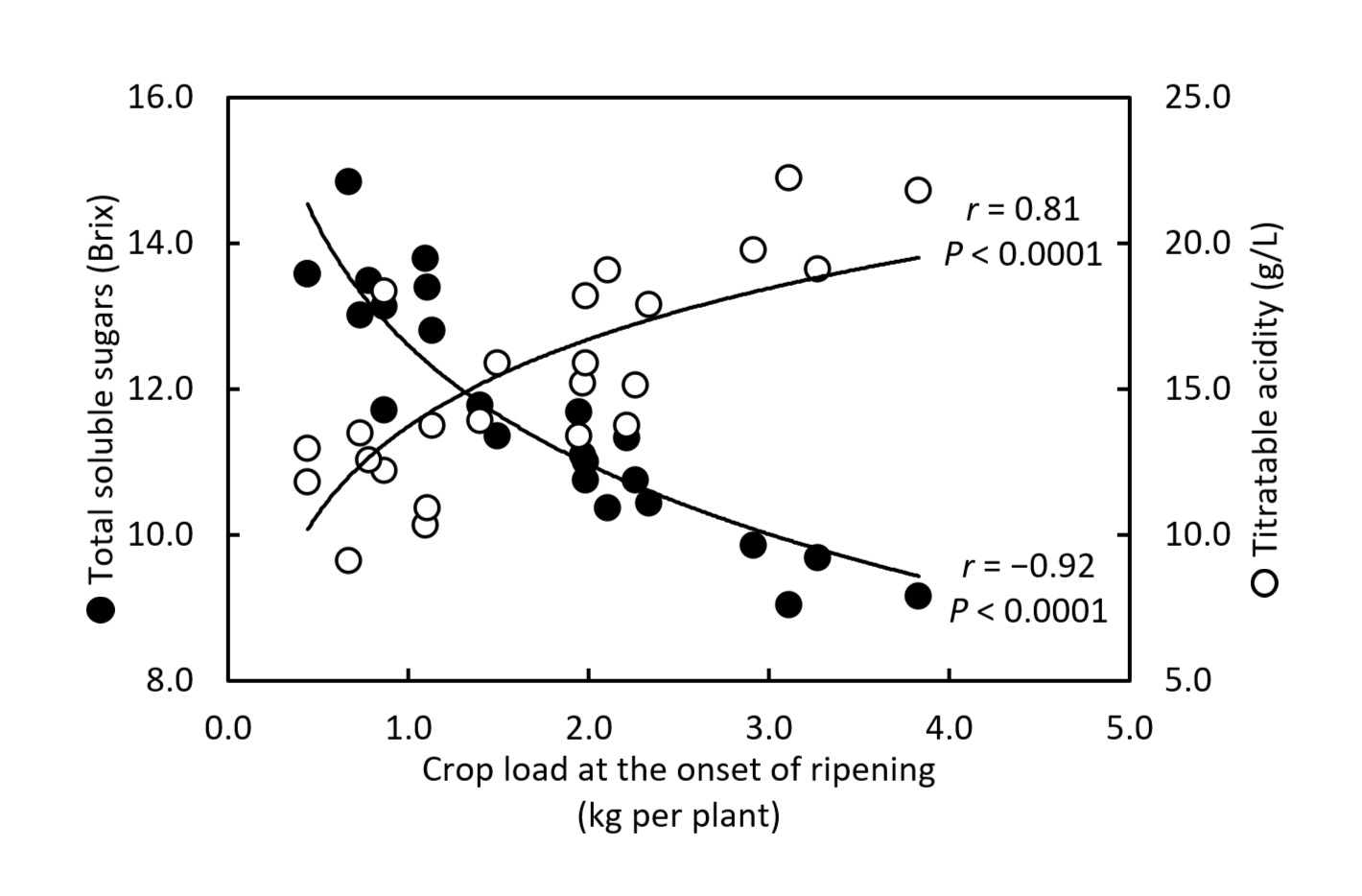
    In 2017-2018 a study was conducted on the Chasselas grape variety using a large fruit-load gradient obtained by grape removal at the ‘cluster closure’ stage (0.5-5.0 kg per plant). The study analysed the effect of crop load and N fertilisation on vegetative growth, fruit composition and the distribution of N in the vine over a two-year period. For this, 20 kg/ha of nitrogen in the form of urea was applied to the canopy in four passes around veraison. The isotopic labelling of nitrogen (10% 15N) allowed us to quantify the nitrogen assimilated by the vine and to follow its distribution among the leaves, fruits, trunk and roots as a function of yield.

    Crop load influenced nitrogen distribution

    Plant crop load strongly influenced the leaf-to-fruit ratio, which ranged from 0.4 to 3.0 m2/kg (Table 1). Crop-load regulation improved grape ripening by encouraging sugar accumulation (+1.3 Brix) and reducing titratable acidity (‒0.8 g/L) compared to the high-yield condition but had no impact on the concentration of assimilable nitrogen in the must at harvest (Table 1). Conversely, although fertilisation did not affect ripening it increased the concentration of assimilable nitrogen in the must (+34 mg N/L) compared to the non-fertilised control. Foliar fertilisation at the veraison stage did not have a significant effect on either vine growth or yield (Table 1).

    Table 1. Must composition at the 2018 harvest as a function of foliar fertilisation and crop load. Yield regulation was carried out at the time of cluster closure in 2017 and 2018. *, p < 0.05; **, p < 0.01; ***, p < 0.001; ns, not significant.

    Fertilisation encouraged nitrogen accumulation in the grapes (+24 mg N/L) without modulating plant vigour or total biomass. However, foliar N assimilation varied as a function of crop load (34% of the applied N on average in the high-yield conditions versus just 25% in the low-yield conditions (Figure 1). In other words, limiting yield reduced fertilisation efficiency. N uptake was higher for the fruits than for the canopy and perennial parts (roots and trunk).

    Figure 1. Variation in the rate of assimilation of the foliar nitrogen applied at the time of veraison as a function of crop load. Averages for 2017-2018, Chasselas, Switzerland. Yield regulation was carried out at the time of cluster closure in 2017 and 2018. Recommended load is 2.0 kg per plant, corresponding to 1.2 kg per m2  

    Crop load influenced nitrogen distribution between the fruits and the perennial parts of the vine (Figure 2): 40% of the nitrogen fertiliser was found in the fruits at harvest in high-yield conditions, as against just 24% in low-yield conditions. Nitrogen distribution remained constant in the canopy. The amount of nitrogen exported from the vineyard was linked to the amount of grapes harvested. Consequently, the nitrogen reserves in the perennial parts at the time of harvest were lower in high-yield conditions (17% of total assimilated N) than in low-yield conditions (31%).

    Figure 2. Distribution of assimilated nitrogen among the reserves (roots and trunk), canopy and grapes, following an input of foliar urea at veraison and as a function of crop load. Data from 2017-2018, Chasselas, Switzerland. Yield regulation was carried out at the time of cluster closure in 2017 and 2018.

    Conclusions

    • Vine nitrogen dynamics are influenced by crop load and fertilisation.
    • Yield regulation does not increase N concentration in the grapes, but does encourage N accumulation in the perennial parts of the vine, which creates a better reserve for the following season.
    • Crop load had a major impact on growth, fruit composition and nutrient distribution, while fertilisation mainly influenced the yeast-assimilable nitrogen in the must with no significant effect on overall production.
  • The Salt Dilemma with Emmentaler Cheese

    The Salt Dilemma with Emmentaler Cheese

    Emmentaler PDO has a low-to-very-low salt content compared to other varieties of cheese. Agroscope researchers show how this came about, what sort of effects this has on sensory quality, and what can be done about this.

    Cheese salt content is closely associated with the sensory quality, ripening potential and food safety of the final product. Emmentaler PDO as well as other Emmentaler-type hard cheeses differ substantially from other cheese varieties in one aspect: they are often dry-ripened, and have a low-to-very-low salt content. Nowadays this low salt content is increasingly called into question as it has been proven to affect taste and flavour, and hence also the popularity of Emmentaler PDO.

    This was not always the case. Over recent decades the NaCl content of Swiss Emmentaler PDO has fallen steadily, due to two major changes:

    1. Labour-intensive dry-salting was abandoned from the 1970s onwards.
    2. The 1990s onwards saw a rising awareness of low-sodium foods. The lower NaCl content in Emmentaler had the side-effect of making the cheese texture more supple. Furthermore, the introduction of a facultative heterofermentative lactobacillus culture rendered NaCl obsolete for controlling secondary fermentation.

    In a model trial conducted at Agroscope’s research cheese dairy in Liebefeld, different salt-bath treatments were investigated with the aim of describing their influence on salt uptake: NaCl concentration (15 and 21 °Bé), temperature (11 and 16 °C) and duration in salt-bath (24 and 72h). These factors and combinations of them were tested with model Emmentaler and ‘Dolce’-type model cheese (scalding temperature, 52 °C; final stirring and moulding temperature, 49 °C;  Agroscope Transfer | No. 551 / 2024) using the propionic-acid-bacteria experimental culture Prop 23. A variant in which the cheese surface was dry-salted was also investigated.

    Different salt-bath treatments can control salt content

    A lower salt-bath concentration of 15 °Bé produced the benefit of a lower water loss without altering NaCl content. A longer salt-bath treatment (72 rather than 24h) and the dry-salting significantly increased the NaCl content of the cheese. High salt content in the cheese is associated with lower water content, altered ripening processes and altered propionic acid fermentation. In addition, it was shown that propionic acid fermentation requires a minimum NaCl content particularly so that the ratio of propionic to acetic acid remains optimally high in favour of propionic acid. This optimal NaCl content of around 9-11g/kg (0.9-1.1%) is far above the current average NaCl content of Emmentaler PDO of 3.5g/kg (0.35%). This also applies for the salt content of > 8g/kg, an essential minimum for a cheese not to be rated as insipid. Even if the NaCl content were increased within this optimal range Emmentaler PDO would still be considered a low-sodium food, and would thus still meet the aims of the Swiss Confederation’s salt strategy.

    A higher salt content will alter product characteristics

    A higher salt content also has implications for eye formation and organoleptic properties, however. More salt means fewer off-flavours such as bitterness, and a significantly more intense flavour. The characteristics of the curd are altered towards greater firmness which, in the case of excessive firmness, as occurs with dry-salting, negatively affects eye formation and edge thickness. The benefits outweigh the drawbacks, however: more and purer taste, a more intense flavour and less acetic acid, coupled with increased popularity. In future it will be important for practitioners to place due focus on the changes in curd consistency.

    Figure: Factors influencing cheese salt uptake, corrected according to the findings of this study (image authors: Walter Bisig & Marie-Therese Fröhlich-Wyder)

    Conclusions

    • Practical relevance: For the implementation of a higher salt content in practice, the following recommendations should be followed:
    • Salt bath: Leave temperature at 11 °C, extend length of time in salt bath, reduce concentration to 15 °Bé.
    • Dry-salting: Only recommended for storage in humid conditions.
    • Manufacturing process: possibly lower scalding and moulding temperatures, intensify acidification.
    • Exercise care with pilot experiments: pay attention to differences in cheese dimensions.
    • Consistency of curd: If the process is not adjusted the cheese becomes firmer. It is important to weigh this change in consistency against the benefits of a higher NaCl content.
    • Nutrition: Even if the current NaCl content were doubled, Emmentaler PDO would still be classified as a low-sodium food.

  • Drones Benefit Summer Farming

    Drones Benefit Summer Farming

    Drones can save time when looking for livestock or checking the condition of fences on summer pastures. Researchers at Agroscope have studied the factors that influence the use of drones in summer farming.

    Drones are used in many sectors today – such as agriculture, infrastructure monitoring or civil protection. They can help reduce the workload in summer farming too. Here, they are mainly used for monitoring livestock, checking fences and assessing damage after wolf attacks. Agroscope researchers have investigated which factors influence the take-up of this technology in a study conducted in the context of the Alpine and Mountain Farming Experimental Station.

    Drones are helpful when summer farmers reach their limits

    Analysis of farm census data shows that drones are mainly used on farms with high livestock numbers, complex field topography and permanent shepherding. In other words, drones are used to monitor areas that those working in the mountains cannot easily access, without entirely replacing humans. Protected areas are an impediment, as drones are not permitted to fly in these zones without an exemption permit, if at all.

    Use of drones involves numerous stakeholders

    The decision to use drones is not taken in isolation, but involves numerous stakeholders working together to provide resources, financial support or advice and policy guidance. In turn, drone users, such as summer farmers and shepherds, provide feedback which contributes to the take-up of the technology. Successful implementation thus depends not only on the decision at individual farm level, but also on inter-farm and structural framework conditions.

    Decision depends on degree of open-mindedness

    The decision to use drones is influenced by factors such as openness to new technologies and willingness to acquire new knowledge. Although financial support is limited, targeted investment in simple, affordable drones can reduce the workload. Drones will not revolutionise summer farming but can be meaningfully integrated into existing structures – provided they are adapted to the specific conditions and personalities on the ground. Although this sounds like a strong incentive for the extensive use of drones, at present their use remains limited.

    Future of summer farming: need for research, training and legal framework for the use of drones

    Drone use could increase in future, especially when farms are taken over by younger generations. Further research to determine the time and associated cost savings is needed to assess the potentially far-reaching implications of using drones on summer farms. In addition, targeted training events and legal clarity could support the spread of drones and help safeguard the future of summer farming.

    Conclusions

    • Drones can save time and complement traditional working methods without entirely replacing humans.
    • In summer farming, drones are mainly used for monitoring livestock, checking fences and assessing damage after wolf attacks.
    • The decision for or against the use of drones depends on various factors: both external, such as legislation, power supply and funding, and internal, such as openness to new technologies and willingness to learn on the part of summer farmers.
  • Effects of Pre-Flowering Removal of Main Leaves or Lateral Shoots

    Effects of Pre-Flowering Removal of Main Leaves or Lateral Shoots

    An Agroscope study shows that pre-flowering removal of the main leaves instead of the lateral shoots appears to be a viable practice with a moderate effect on both yield potential and must composition.

    Leaf removal (LR) is a common practice in viticulture for limiting fungal attack and promoting grape ripening. The timing of leaf removal is critical and must be adjusted to regional climatic conditions and the winegrower’s objectives. When performed after berry set, LR does not usually affect yield. When done before flowering, it can influence grape composition and the sensory profile of the wine, particularly the aromas and polyphenols. However, pre-flowering leaf removal also reduces yield by 40 to 50% by limiting the carbon source necessary for berry set. The effects of leaf removal are thus a function of factors such as grape variety, climatic conditions, and LR timing and intensity. The choice of which leaves to remove – main leaves or lateral shoots – in the cluster area is also a key consideration for adjusting LR intensity.

    Figure 1. Leaf removal in the cluster area: lateral shoots only (A); main leaves + lateral shoots (C); and main leaves only (D). Photos taken during harvest.

    A trial was conducted from 2016 to 2021 at Agroscope’s experimental vineyard in Leytron, Switzerland to highlight the physiological effects of pre-flowering leaf removal in the cluster area of the Swiss white-grape variety ‘Petite Arvine’. The experimental design followed a randomised complete four-block format with four treatments, each involving different combinations of main-leaf and/or lateral-shoot removal from the cluster area (from the base of the shoot to the sixth leaf), all applied in May at the phenological stage of ‘separated flower buds’ (Figure 1).

    Effect of pre-flowering LR intensity

    Pre-flowering leaf removal significantly affected vine performance, reducing berry-set rate and yield in particular. Complete removal of the lateral shoots and main leaves in the cluster area led to an average yield loss of 37% (Figure 2). By comparison, removal of 50% of the main leaves limited yield losses to 5–21%, demonstrating that moderate pre-flowering leaf removal can limit the risk of excessive yield losses. The trial also highlighted the important role played by environmental factors in yield formation.

    Intensive pre-flowering leaf removal had a negligible effect on the accumulation of sugars in the grapes (23.7 ± 0.3 Brix) but increased tartaric acid concentration (Figure 3). Wine composition showed negligible differences following intensive pre-flowering LR, except for a higher concentration of polyphenols associated with the smaller size and thicker skins of the berries and their greater exposure to light. It is worth noting that removing all the leaves and lateral shoots from the cluster area tended to reduce concentrations of Cys-3MH (a thiol precursor) (-21%; p < 0.10) with respect to the control.

    Comparison of main-leaf versus lateral-shoot removal

    The removal of the main leaves alone resulted in a larger exposed leaf area (+15 %) compared to the removal of the lateral shoots, mainly due to the growth of the lateral shoots in the cluster area. The total photosynthetic activity of the canopy was reduced until berry set due to the higher proportion of young leaves and lateral shoots that had not yet reached maximum photosynthetic capacity. This results in a lower yield potential (-14%), mainly due to a lower number of berries per cluster (-11%). The cooler microclimate owing to the greater leaf area – resulting in less abiotic stress – probably contributed to the higher concentration of both malic acid (+0.5 g/L, +12%) and glutathione (+6 mg/L, +11%) in the musts of treatment D (removal of the main leaves) compared to those of treatment A (removal of the lateral shoots). The increase in titratable acidity (+4%), and of malic acid in particular may be desirable in the current global warming context, which strongly influences the ratio of total soluble solids (sugar) to titratable acidity. Treatment D had the lowest concentration of tartaric acid and the highest of malic acid. Removal of the main leaves alone increased the concentration of glutathione in the must with respect to the other treatments (+13%; p < 0.001). Glutathione is an asset for preserving wine aromas and colour. No significant differences were noted in terms of TSS, pH or Cys-3MH in the musts between the lateral-shoot and main-leaf elimination treatments. By contrast, yeast-assimilable nitrogen concentrations increased (+26 mg/L, +10%). The wine produced by treatment D had higher colour intensity and fewer vegetable aromas than the wine from treatment A.

    Figure 2. Potential yield before thinning (A) and cluster-thinning (B) as a function of pre-flowering LR. Different letters within the same year indicate significant differences.
    Figure 3. Concentration of tartaric and malic acids in the must at harvest as a function of pre-flowering LR. Different letters within the same year indicate significant differences.

    Conclusions

    • The trial confirmed the significant effect of pre-flowering leaf removal in the cluster area on potential yield at harvest.
    • Intensive pre-flowering leaf removal tended to reduce the concentration of the aroma precursor Cys-3MH in the must at the time of harvest, with no significant effect on wine aromas on average over six years.
    • In view of the risk of not meeting the production target and the negligible effect on white-wine composition, we do not recommend carrying out a highly intensive pre-flowering LR (i.e. over 50% of leaves in the cluster area).
    • Pre-flowering removal of the main leaves in the cluster zone instead of the lateral shoots appears to be a viable practice with a moderate effect on yield potential and must composition at harvest. More research into this practice is needed in order to improve vineyard management.
  • Milk MIR Spectra and Machine Learning to Verify Herbage Proportion in Dairy Herd Diets

    Milk MIR Spectra and Machine Learning to Verify Herbage Proportion in Dairy Herd Diets

    How to verify grassland-based feeding? An approach based on machine learning and milk mid-infrared (MIR) spectra acquired from routine milk quality testing may be the answer.

    Background

    Milk from grassland-based production systems is considered sustainable in countries with a high proportion of grasslands, such as Switzerland. Consumers are often willing to pay a premium for the products of such production systems, as they are commonly associated with high-welfare animal husbandry and human health benefits. However, there is currently no standard definition for products of grassland-based production systems. The “grass-fed” claim can only be verified indirectly by measuring the proportion of grassland-based feeds in the ration, the time spent on pasture or the grazing area available to the herd. These methods are time consuming, complex and error prone. Therefore, more direct measurement techniques are required. Milk MIR spectral data, already used to determine fat, protein, lactose and urea contents, combined with machine learning, may be the answer.

    New methods based on machine learning

    To date, partial least squares discriminant analysis (PLS-DA) has been the only machine-learning algorithm employed to attempt to classify the proportion of grassland-based forages in herd diet using milk MIR spectra. In the recently published study, three new machine-learning algorithms (Least Absolute Shrinkage and Selection Operator [LASSO], Random Forest [RF], Support Vector Machines [SVM]) were used to predict grassland-based feeding. Both the MIR spectral wavenumbers themselves as well as milk quality characteristics (fat and protein) and a newly developed indicator that takes seasonality into account were used as data input.

    Future prospects

    Of the 1,132 milk samples analysed, the method with the strongest significance (LASSO) was able to classify total grassland-based feeds ≥ 50% with an accuracy of 79%, precision of 85%, sensitivity of 91%, specificity of 14% and an F1 score of 88%. Fresh grass ≥ 70% was classified with an accuracy of 86%, a precision of 62%, a sensitivity of 39%, a specificity of 95% and an F1 score of 48%. Based on the results presented in the publication, a method could be developed in the future that allows automated and simplified verification of grassland-based feeding, as desired by public and private organisations.

    Conclusion

    • The combined approach of using dietary information, MIR spectral data, milk quality traits and seasonality in machine learning models seems promising.
    • The LASSO and PLS-DA algorithms seem to be superior to RF and SVM algorithms for the classification of grassland-based forages in the diet.
    • The models analysed have proven successful in classifying milk from grassland-based production systems on a limited number of farms. The models developed must now be validated using larger datasets and, if necessary, supplemented with additional characteristics.
  • Encouraging Participation in Community-Supported Agriculture Schemes With New Communication Strategy

    Encouraging Participation in Community-Supported Agriculture Schemes With New Communication Strategy

    Custom-tailored communication about the personal benefits in terms of nutrition and sustainable living provided by community-supported agriculture (CSA) can motivate a variety of non-members to join the scheme.

    Community-supported agriculture (CSA) has emerged as an alternative food network based on solidarity and cooperation between farmers and consumers. Consumers pay up-front to receive a regular delivery of produce while sharing the risks of the harvest with the farmers. CSA promotes socioeconomic and environmental sustainability, thus helping create a resilient food system. Despite this, CSAis still a ‘niche’ scheme in Switzerland, attracting only members of similar political persuasion and economic background, and thus remaining limited in its reach and adoption. The question was therefore posed as to whether potential members are aware of CSA schemes, and what factors would encourage them to join one.

    People’s perceptions of and willingness to join CSA schemes

    An experimental study was conducted by Agroscope and the University of Bern with 754 non-CSA-scheme-members from the German-speaking region of Switzerland. The study examined how different information on the benefits of CSA (nutrition, sustainability, transparency, solidarity, and community) affects people’s perceptions of CSA schemes and their willingness to join one.

    The results of the study show that participants rank the personal benefits (e.g. nutrition and sustainability) of CSA schemes as more important to them than those related to solidarity with farmers, transparency and community building. However, non-scheme members consistently perceive CSAs as most beneficial for farmers, followed by society, and as least beneficial for themselves, regardless of the information provided to them. This shows that non-members do not perceive the personal benefits provided by CSA schemes as particularly striking. Despite this, it is the overall perception of benefits that provides the greatest incentive to join the scheme. Focusing on the personal benefits provided by CSA in terms of nutrition and sustainable living positively influences willingness to join. This influence can be observed in particular among younger, educated, female participants, as well as among politically conservative individuals – a fact which could ultimately promote inclusivity within CSAs. On the other hand, trust in farmers or food labels did not influence willingness to join, since trust in farmers and agriculture is already high in Switzerland and is not seen as a reason for supporting alternative food systems.

    Findings show an important gap in practice

    Overall, the findings reveal an important gap in practice. While CSA schemes often focus on altruistic narratives (e.g. solidarity and community), potential members are looking for tangible personal benefits. Reframing CSA messaging to include clear advantages like healthy food, personal well-being, and environmentally responsible choices could help attract a more diverse membership.

    Conclusions

    • Perceived benefits are the strongest driver of willingness to join community-supported agriculture (CSA) schemes.
    • Personal benefits (in terms of nutrition and sustainability) are most important to potential members, followed by benefits to farmers and society.
    • Potential members do not find the personal benefits of CSA particularly compelling, as they believe it provides the greatest benefits to farmers.
    • Focusing communication efforts on nutrition and sustainability messaging can also encourage conservative individuals to join CSA schemes, thus broadening their appeal.
    • Experiential approaches (trial baskets, school programmes) can bridge perception gaps.
  • Strengthening the Future of Communal Food Production in Switzerland

    Strengthening the Future of Communal Food Production in Switzerland

    Community gardens, allotments and community-supported agriculture are key for sustainable, resilient food systems. Their future depends on political recognition and inter-institutional network support.

    In Switzerland, communal food production encompasses collaborative models such as allotment gardens (AGs), community gardens (CGs) and community-supported agriculture (CSA). These initiatives produce food for one’s own consumption and foster social ties and eco-friendly lifestyles in addition to promoting food security. However, these alternative food networks face an uncertain future, with challenges such as urban densification, structural institutional limitations and lack of political support threatening their continued operation.

    In a qualitative study conducted by Agroscope and the University of Bern, the institutional structures and challenges faced by AGs, CGs and CSA are compared. The results identify important structural differences which could affect the continuity potential of each of these forms of communal food production. Below, some specific findings of the study:

    Distinct institutional structures affect continuity

    AGs (allotment gardens) are highly regulated, traditional structures with strict membership requirements in terms of time and work investment as well as prerequisite knowledge. AGs promote self-expression but lack political engagement and struggle to adapt to outside challenges and to recruit individuals for leadership roles.

    CGs (community gardens) are normative institutions that stress community-building. They are low-cost to run and accessible, but are dependent on neighbourhood support and external organisational backing (e.g., NGOs, churches).

    CSA (community-supported agriculture) schemes are flexible, democratic and professionally organised, with strong political and ecological agendas but high financial barriers that exclude low-income groups despite efforts to appeal to the latter.

    Many policy challenges affect the continuity of communal food production 

    Urban development pressures reduce land availability, thereby threatening AG and CG spaces. Integrating communal food production models into urban green planning can help secure long-term access and foster collaboration with public institutions. In CSAs, financial barriers limit access for vulnerable groups, highlighting the need for subsidies, tax incentives and municipal support to promote equity. AGs face challenges due to rigid governance structures that hinder adaptability and inclusiveness. The adoption of more-flexible models from CSAs and CGs together with the creation of inter-institutional networks could enhance collaboration, knowledge-sharing and advocacy.

    Conclusions

    • In Switzerland, communal food production encompasses collaborative models such as allotment gardens (AGs), community gardens (CGs) and community-supported agriculture (CSA). All these models promote sustainability, community-building and healthy living.
    • However, these schemes differ greatly in terms of their internal structures, membership requirements, main purpose and socio-political agendas. Overall, they vary in inclusivity and advocacy power.
    • CSAs and CGs stand out in terms of their role in building engaged, sustainable communities, while AGs risk marginalisation, especially if they cannot communicate and fulfil their potentials.
    • Policy interventions to support communal food production adaptability, inclusiveness and recognition in urban and rural contexts are vital to ensure the long-term continuity of these programmes.
  • Targeted Greening to Control Track-Side Vegetation

    Targeted Greening to Control Track-Side Vegetation

    To reduce the use of herbicides to control track-side vegetation, the Swiss Federal Railways (SBB) commissioned Agroscope and HEPIA to develop a low-growing plant mix for the track area.

    The Swiss Federal Railways (SBB) have decided to restrict the use of chemical synthetic herbicides to an absolute minimum and promote alternative measures in line with the Alternatives to Herbicide Action Plan. One important consideration was that these measures should not reduce the service life of rail infrastructure or compromise train safety or availability.

    ‘Sowing instead of controlling’

    The SBB commissioned Agroscope, the Haute école du paysage, d’ingénierie et d’architecture de Genève (HEPIA) and other partners to investigate whether the targeted greening of verges, maintenance and escape paths and track-side areas could be an alternative to the widespread use of herbicides. The aim was to establish a vegetation cover that supressed problem plants, maintained the safety of rail infrastructure and promoted biodiversity. At the same time, the spread of problem weed species to adjacent farmland was to be avoided through careful species selection.

    Five specially developed seed mixes were tested at six sites in the Swiss Plateau. The mixes comprised species which were expected to meet the safety requirements (accessibility on foot, low growth, shallow roots, no trip hazards, no restriction of signal visibility, no impediment to track drainage) and the environmental requirements (ecotypes of native plant species).

    Site and mix determine success

    The long-term trial showed that successful greening of trackside areas can be achieved using selected species: the seed mixes meet the safety criteria, species diversity increases, soil temperature decreases, and the quality of the track-side landscape is enriched.

    Two site factors are key to the establishment of the sown plants:

    1. The organic matter content (which takes a number of years to accumulate on the existing, very poor gravelly soils)
    2. An adequate water supply in the sowing year to enable the mixes to establish a seed bank in the substrate.

    Two mixes, one covering a broad ecological spectrum and the other containing several pioneer species, achieved an average soil cover of over 70% after five trial years on a suitable soil substrate.

    The proportion of sown species in the overall vegetation cover was significantly higher than that of spontaneous species at all sites during the trial period. Invasive native and non-native species were significantly scarcer than sown and unproblematic spontaneous species. The sowings increased species richness within the plant community by five species on average.

    The study concluded that track-side greening is a realistic alternative to the use of herbicides. However, it will do little to reduce track-side maintenance, since targeted greening also needs regular upkeep. For instance, problematic scrambling and trailing plants from adjacent plots, such as ivy or brambles, still need to be controlled, as do tall plants and invasive non-native species.

    Future approaches could involve a combination of mechanical, chemical and biological strategies to ensure optimal sustainability.

    Conclusions

    • Agroscope and partners were commissioned by the Swiss Federal Railways (SBB) to investigate whether undesirable plants growing along railway tacks could be controlled by targeted greening.
    • The plant mixes tested meet the criteria for operational safety if the sown plants are able to become established.
    • Colonisation of the trackside by invasive non-native species is inhibited, thereby reducing the spread of problematic species to neighbouring arable areas and grassland.
    • Two plant mixes were found to be successful: one which adapts flexibly to different site conditions and can thus be used in many locations, and another containing several pioneer species.
    • Site factors are important in addition to the plant mixes: sufficient rainfall is needed in the sowing year and organic material should be added to the areas to aid establishment.
    • Targeted track-side greening offers a realistic alternative to the use of herbicides but requires regular maintenance to control undesirable plants.
  • Current Suisse-Bilanz Tool as an Environmental Indicator: Good for Phosphorus, Unsuitable for Nitrogen

    Current Suisse-Bilanz Tool as an Environmental Indicator: Good for Phosphorus, Unsuitable for Nitrogen

    An Agroscope study shows that the Suisse-Bilanz nutrient-balance calculation tool could serve as an environmental indicator for sustainable nutrient use – but only for phosphorus, not for nitrogen.

    Sufficient availability of nutrients is crucial for optimal yields and high-quality plant products for human and animal nurition. Excess nutrients, particularly excess nitrogen (N) and phosphorus (P), pollute the environment and have been a key topic of agricultural and environmental policy in Switzerland and Europe for decades. In this area of conflicting priorities, it is important to strike an ideal balance between supplying crops with sufficient nutrients and minimising environmental impacts, i.e. using nutrients sustainably.

    The aim of this study was to determine whether Suisse-Bilanz is suitable as an environmental indicator for sustainable nutrient use. Suisse-Bilanz is a supply-demand balance sheet that Swiss farms are obliged to draw up as part of the Proof of Ecological Performance (PEP) in order to receive direct payments. The Suisse-Bilanz results were compared with those of a soil-surface balance (the OECD balance) which is drawn up for farm and national agri-environmental monitoring. The data for the comparison stem from the Swiss Agri-Environmental Data Network (SAEDN) which collected data annually from around 300 farms from 2009 to 2022.

    Deductions for nitrogen losses distort the result

    The analysis showed that the nitrogen balances produced by Suisse-Bilanz and by the soil-surface nutrient-balance calculation tool correlate only weakly. Whereas the N balances of the soil-surface tool were mostly positive (between 58 and 83 kg total N per ha), they were slightly negative in Suisse-Bilanz (between −14 and −2 kg available N per ha). This is because nitrogen losses arising e.g. from animal housing or grazing, or from the storage and spreading of farmyard manures, can be deducted in Suisse-Bilanz, whilst these losses are not taken into account in the soil-surface tool, but are recorded as part of the balance. Unlike the Suisse Bilanz, the soil-surface balance does not show the plant-available nitrogen. This is why farms with large amounts of organic fertiliser or large herds have significantly higher values in the soil-surface balance than in Suisse-Bilanz.

    Strong correlation of both balances for phosphorus

    By contrast, the Suisse-Bilanz and soil-surface balance values were found to correlate well for phosphorus. Whereas the P soil-surface balances were balanced (between −2 and 0 kg P per ha), those of the Suisse-Bilanz balances exhibited only a slightly negative tendency (between −3 and −1 kg P per ha). The reason for this better correlation is that P is less volatile than nitrogen, so no deductions need be made for the P in farmyard manure.

    The study shows that in its current form, the Suisse-Bilanz tool is not suitable for reliably quantifying N losses. The flat-rate deductions at animal housing-, storage- and spreading scales and the simplified calculation of the plant-availability of N for organic fertilisers prevent a specific representation of the actual N losses. The soil-surface balance offers a better basis for evaluating nitrogen surpluses. By explicitly taking account of the deductions in addition to the current balance, a surface-balance calculation tool balance can also be generated that ensures a more accurate estimate of the losses and is therefore more suitable as an environmental indicator.

    Wanted: data for agri-environmental monitoring

    Suisse-Bilanz is, however, a useful environmental indicator for phosphorus, since it is closely correlated with the soil-surface balance calculation tool. Additional consideration of the mandatory soil analyses recurring as part of PEP can further improve the calculation of regional phosphorus surpluses and the consequential risks of loss. Currently, however, neither the Suisse-Bilanz balances of the farm nor the farm-scale soil analyses are available to the Agroscope agri-environmental monitoring programme.

    Conclusions

    • Suisse-Bilanz and soil-surface balances of farms from the Swiss Agri-Environmental Data Network (SAEDN) were compared to test whether Suisse-Bilanz is suitable as an environmental indicator for sustainable nutrient use.
    • The results of both balances were only weakly correlated for nitrogen, since flat-rate deductions for unavoidable nitrogen losses and the plant-availability of the organic nitrogen reduced the values for Suisse-Bilanz.
    • The soil-surface balance methodology offers a better basis for evaluating nitrogen surpluses.
    • The correlation between both balances for phosphorus is strong. Consequently, Suisse-Bilanz is a useful environmental indicator for phosphorus, although it could be improved through the inclusion of the soil information.
  • Labels on Plant-Based Milk Alternatives: What’s On and In the Packaging?

    Labels on Plant-Based Milk Alternatives: What’s On and In the Packaging?

    An Agroscope study gives an overview of front-of-pack labels on the packaging of 66 plant-based milk alternatives (hereafter referred to as milk alternatives) available in Swiss supermarkets. It also examines whether the information on the labels accurately reflects product properties.

    Labels are tags on product packaging serving as a useful tool providing easily understandable product information to consumers. This can help consumers make healthier, more sustainable product-purchasing decisions. To check the extent to which the information on the labels accurately reflects the nutrition information and price on the packaging, Agroscope researchers conducted a comprehensive online market analysis of milk alternatives. The data was gathered from three Swiss supermarkets.

    From A for allergen-free to Z for zero sugar

    The study considered the properties of eight types of labels: Nutrition (e.g. no added sugar), Diet (e.g. vegan), Absence of Allergens (e.g. dairy-free), Origin (e.g. oats from Switzerland), Product Property (e.g. foamable), Price (e.g. low price), Environmental (e.g. organic) and Social Sustainability (e.g. fairtrade). Product nutritional and price information was also gathered in addition to the label information. The Nutri-Score was calculated for all products, after which the data were interpreted with correlation analyses.

    Number and type of labels

    The majority of the products examined had three or six labels on the front of the packaging, with a minimum of one and a maximum of nine labels. Furthermore, eleven products had several labels with identical information. Nutrition labels (34%), dietary labels (29%) and ‘absence of allergens’ labels (18%) were most frequently found on the packaging. Labels concerning ecological sustainability (11%), origin (4%), product properties (2%), price (1%) and social sustainability (1%) were less common. As can be seen from the figure, the following labels were particularly common: ‘vegan’ (21%), ‘no milk, lactose-free, dairy-free’ (13%), ‘kcal, kJ per 10ml / portion’ (10%), ’organic’ (10%), and ‘no added sugar’ (10%).

    A ‘Nutri-Score’ label was primarily found on oat-milk alternatives, whilst it was missing from rice, soy, pea, almond and coconut products. Nevertheless, we noted that rice-based milk alternatives on the whole had a higher calculated Nutri-Score compared to other products on the market while at the same time having the highest average sugar content (4.9g sugar ± 2.2g per 100ml).

    A total of 327 labels on 66 plant-based milk alternatives were identified. These were categorised into twenty different labels and colour-coded according to the eight label types. ‘Other’ nutrition-related labels are ‘% fat’, ‘% almonds’, ‘% protein’, ‘contains natural sugar’, ‘low sodium’ and ‘with Bourbon vanilla extract’.

    Accuracy of the labels with product nutrition and price information

    The correlation analyses show that the labels ‘high protein’, ‘unsweetened’, ‘low fat’ and ‘low price’ match the respective nutrition information and price. Milk alternatives with the label ‘no added sugar’ did not correlate with a lower sugar content, however. Products with and without a ‘no added sugar’ label have a similar average sugar content. This is due to the fact that products with the label ‘no added sugar’ have a high natural-sugar content. Although this label does not advertise a lower sugar content, the ‘no added sugar’ label might suggest a lower sugar content to consumers. The Nutri-Score label was less commonly displayed on products reporting a lower nutritional quality.

    Conclusions

    • The number of labels used (including repetitive labels) on the front of the packaging could be overwhelming for consumers.
    • Potentially misleading labels (‘no added sugar’) should be avoided.
    • Transparency regarding labels with nutrition information (both for better and for worse nutritional quality) should be increased and standardised.
    • Sustainability labels have great potential for even further use with products such as milk alternatives.
    • In addition, it appears to be particularly important to inform consumers how to interpret nutritional and label information properly.
    • More mandatory and harmonised provisions in food marketing are necessary in order to promote a sustainable and healthy diet.
  • Sheep Husbandry: Feed Intake and Nutrient Excretion Guidelines Adjusted

    Sheep Husbandry: Feed Intake and Nutrient Excretion Guidelines Adjusted

    Standard values for livestock feed intake and excretion are essential for proper farm fertilisation planning and assessment of the farm’s nutrient balance. Agroscope adjusted the standard values for sheep with the aim of improving nutrient-flow assessment.

    Reliable standard values for livestock feed intake and nutrient excretion are essential for proper fertilisation planning and the creation of a realistic farm nutrient balance. In Switzerland, the drawing up of a nutrient balance for nitrogen (N) and phosphorus (P) has been compulsory since 1998. This is done with the assistance of the ‘Suisse-Bilanz’ enforcement tool.

    Standard values with correction factors for herd management and production performance

    Previously, the standard values for feed intake and nutrient excretion of dairy sheep and ewes were each stated in a separate category representing a standardised herd population consisting of predefined percentages of adult female sheep, rams, hoggets and lambs and expressed per adult female sheep and year.

    However, Swiss sheep production is a varied sector, with differing herd management approaches and production performances. Farms increasingly specialise in one form of production such as dairy or meat, and some engage in seasonal lambing or different forms of fattening.

    Standard values for feed intake and nutrient excretion according to sheep category as per the Animal Movement Database were recently determined: dairy sheep, ewes, hoggets from 180 and up to 365 days old, and lambs up to 180 days old. The aim is for the standard values to be adaptable to farm-specific circumstances through the use of correction factors for herd management and production performance.

    Conclusions

    • The higher the annual milk yield of dairy sheep and the weight of the adult sheep, the higher the feed intake and nutrient excretion. Standard values were lowest for seasonal lambing in autumn with a silage-based winter diet.
    • Reducing phosphorus supplementation for dairy sheep and ewes would clearly be possible. This could reduce phosphorus excretion by up to 16%. However, reducing the amount of concentrates would scarcely have an effect on nitrogen excretion.
    • For lambs, feed intake and nutrient excretion both increase along with rising age at slaughter.

  • Foliar Fertilisation in Viticulture: Comparison of Two Mineral Fertilisers

    Foliar Fertilisation in Viticulture: Comparison of Two Mineral Fertilisers

    Foliar fertilisation around veraison improves grape nitrogen levels without affecting vigour. A trial shows that the fertilisers ‘Safe N 300’ and ‘Folur’ effectively increase assimilable nitrogen in the grape must; however, their degree of effectiveness depends on climatic conditions.

    Foliar fertilisation is an essential practice in agriculture – particularly in viticulture – for optimising rapid nutrient assimilation and preventing grape nitrogen deficiencies. Unlike root uptake, foliar uptake is passive and dependent upon the leaf-surface nutrient concentration gradient. Applying foliar nitrogen in the form of urea around veraison (BBCH 81 stage) increases grape nitrogen levels, thereby preventing stuck alcoholic fermentation and organoleptic deviations during winemaking. Vine vigour was not affected.

    A trial was conducted from 2017 to 2019 on a Chasselas plot in Pully, Switzerland to test the efficacy of two mineral foliar fertilisers compared to a non-fertilised control (Table 1). The fertilisers were applied in two treatments of 5 kg N/ha around veraison with no additional fertilisation. The measured parameters included vine vigour, yield, grape quality and levels of assimilable nitrogen in the musts.

    VariantSupplierNitrogen ConcentrationForms of NitrogenAmount Applied
    Control 0––––
    FolurTradecorp, Madrid20% p/purea2×5 kg N/ha
    Safe N 300Yara, Paris26% p/p4% ammonium
    4% nitrate
    12% urea
    6% urea formaldehyde
    2×5 kg N/ha
    Table 1. Trial variants. Each variant contains 15 vines and was repeated four times in randomised homogeneous blocks. Fertilisers were applied to all of the foliage on two occasions around veraison. Chasselas, Pully, 2017-2019.

    Both tested fertilisers shown to be effective

    The results show that the climatic conditions of the vintages strongly influenced grape nitrogen levels. The hot, dry 2018 vintage (385 mm precipitation, average temperature of 18.6° C during the April-September growing season), favoured better fruit ripening but limited the accumulation of assimilable nitrogen in the must (89 mg N/L in the non-fertilised control). Conversely, the cooler, more humid 2017 and 2019 vintages led to better plant nitrogen assimilation (average 132 mg N/L in the must) (Figure 1).

    Foliar nitrogen application significantly increased the level of assimilable nitrogen in the musts. The two fertilisers tested demonstrated a similar efficacy without affecting yield or grape maturity. Increases in assimilable nitrogen varied according to the year: an average gain of 62mg N/L in 2019 as compared to just 24mg N/L in 2017 and 2018. In 2018, despite fertilisation, nitrogen levels failed to reach the critical threshold of 140mg N/L, jeopardising a potential improvement in wine quality. By contrast, in 2017 and 2019 this threshold was exceeded thanks to fertilisation, ensuring a good nitrogen balance.  

    ‘Safe N 300’ marginally outperformed ‘Folur’, although the differences between the two over the whole of the three-year period were negligible. The use of several forms of assimilable nitrogen seems to have contributed to greater fertilisation efficacy.

    Figure 1. Assimilable nitrogen (amino acids + ammonium) in the must at harvest, according to year and foliar fertilisation. Chasselas, Pully, Switzerland. The error bars represent the standard deviations; the values accompanied by different letters are significantly different according to the Tukey test (p < 0.05).

    Conclusions

    • Foliar fertilisation around veraison is an effective solution for limiting nitrogen deficiencies in the musts, when used in conjunction with other agronomic strategies that aim to optimise grapevine nitrogen nutrition.
    • The climatic conditions of the vintage play a major role in the assimilable nitrogen content of the grapes.
    • Foliar nitrogen application at the veraison stage is an effective means of correcting assimilable nitrogen levels in the grapes without affecting vine vigour.
    • The ‘Safe N 300’ and ‘Folur’ fertilisers effectively increased the assimilable nitrogen content in the musts at harvest and can be recommended at a level of 10-20kg N/ha for foliar fertilisation of the vine at the veraison stage.
    • Where the concentration of assimilable nitrogen in the grapes is extremely low, foliar fertilisation may be insufficient to reestablish levels above 140 mg N/L, the threshold for acute deficiency during white-wine vinification.
  • Swiss Agriculture is Ageing – What Does This Mean for the Future?

    Swiss Agriculture is Ageing – What Does This Mean for the Future?

    Farm managers are getting older and older on average. Although this trend poses challenges for the Swiss agricultural sector, it also offers opportunities.

    Over the next five years in Switzerland, around 7000 farm managers will reach the upper age limit of 65 for drawing direct payments. This corresponds to 17% of all family farms. The large number of impending farm handovers or exits can stimulate structural change, offering both challenges and opportunities.

    This study examined the demographic change trends in the Swiss agricultural sector in greater depth. For this, various aspects were analysed: farmers’ age at farm handover; the age of new and exiting farmers; and the entry and exit rates for family farms. The study is based on direct-payment data from the years 2004 to 2020.

    Farms are handed over at a later age

    One key finding is that the rising average age of farm managers is due primarily to the fact that they are handing over or giving up their farms at a later and later age. In addition to this, a growing share of the managers of family farms are giving up farming whilst the share of new entrants is falling. A further peculiarity is that the farm is often transferred to someone just a few years younger, presumably the manager’s female partner. These trends all contribute to the phenomenon of ageing.

    The mountain region has the youngest farm managers

    The ageing is evident in the ratio of older to younger farm managers. This key figure increased sharply from 2004 to 2020. Whereas in 2004 there were 1.8 older farm managers between the ages of 56 to 65 for every farm manager under the age of 35, by 2020 the ratio had increased to 2.7 to 1. There are differences between regions and farm types in Switzerland in this regard. The mountain region has the youngest farm managers, whilst ‘arable crops’ and ‘special crops’ farms have the oldest farm managers. This also explains the high average age of farmers in the plain region, where these types of farms are common.

    Opportunity for farm growth and transformation

    With increasing competition for labour and farm successors, agriculture must be and remain an attractive option. Digitalisation offers agriculture opportunities for boosting work productivity, and can simultaneously increase the sector’s appeal to skilled labour and potential farm successors. The land of exiting farmers offers existing farms opportunities for growth. Younger farm managers more often participate in environmental and animal welfare programmes. Agricultural policy-makers could make use of this fact to give targeted support to farms in the process of handover to ensure a sustainable transformation.

    The findings are relevant for shaping agricultural policy in Switzerland. They point to the current opportunity to make targeted use of generational change in agriculture to support the transition to a more sustainable agriculture and food system via measures such as extension and funding programmes.

    Conclusions

    • Societal ageing can also be seen in the agricultural sector, with the ratio of old to young farm managers rising sharply in recent years.
    • Demographic trends vary between different regions and farm types.
    • Numerous farm handovers and exits are due to occur over the next few years. This dynamic provides the sector with opportunities to adapt to changing market, environmental and societal circumstances.
    • Farm handovers should be planned well in advance. Extension and funding programmes can support the transition process, thereby contributing to the transformation of the farming sector.
  • Carryover Effects of Yield Regulation Practices on Grape Nitrogen Composition

    Carryover Effects of Yield Regulation Practices on Grape Nitrogen Composition

    A study conducted on Chasselas vines in Switzerland shows the effects of yield regulation practices on grape ripening and nitrogen composition and suggests a two-year approach for optimising quality and sustainability.

    Nitrogen is an essential element for vine development and yield. It is also involved in the vinification process and substantially influences wine composition. It is therefore essential to monitor and optimise plant nitrogen use to guarantee suitable grape composition at harvest while steering technical choices towards minimising input losses with the aim of supporting sustainability.

    In 2017-2018 we tested the combined effects of fertilisation and yield regulation on grape nitrogen composition on Chasselas vines. Two yield levels were implemented: for each level, foliar urea was applied at veraison for comparison with a non-fertilised control. Yield regulation consisted of fruit thinning at the ‘bunch closure’ stage. Vine development and grape composition were evaluated over two years.


    Crop thinning influences grape composition over at least two consecutive years

    Foliar fertilisation with urea at veraison increased the amount of nitrogen in grapes at harvest in the same year, but had no impact on grape ripeness or carryover effect on year n+1.

    Thinning, for its part, encouraged grape maturity in the same year by reducing nitrogen and carbon demand without impacting nitrogen concentration. Thinning also encouraged building reserves of these same nutrients in the roots. The following year, differences were observed from the veraison stage onwards: under low-yield conditions, total soluble sugars (TSS) were higher (+25%), and titratable acidity was lower (−18%) (Figure 1). Conversely, the yeast-assimilable nitrogen concentration was constant in the fruits regardless of plant fruit load. Only the proportion of amino acids varied, allowing the musts to be distinguished according to fruit load (Figure 2).

    This experiment highlighted the influence of the previous year’s yield regulation practices on carbon and nitrogen accumulation in the grapes. Consequently, the modulation of grape composition at harvest should be considered over two consecutive years.

    Figure 1. Variation of total soluble sugars and titratable acidity in the must at veraison (year n+1) according to fruit load. Data at the 2018 ‘veraison’ stage, Chasselas, Switzerland. Yield regulation was implemented at bunch closure in 2017 and 2018.
    Figure 2. Distinguishing of amino acid profiles in the musts at veraison (year n+1) according to fruit load. Principal component analysis, Chasselas, Switzerland. (A) Variables: correlations between amino acid concentrations. (B) Observations: smaller distances between observations indicate similar amino nitrogen profiles.

    Conclusions

    • Yield regulation strongly influenced grape composition for at least two consecutive years.
    • Vines reduced both nitrogen uptake from the soil and mobilisation of nitrogen from reserves (i.e. primarily in the roots) in response to the lower demand for nutrients following fruit thinning.
    • Vineyard nitrogen management should be considered from a multiannual perspective to optimise grape and wine quality whilst promoting sustainable agricultural practices.
  • Where Is It Worth Protecting Birds in Agricultural Landscapes?

    Where Is It Worth Protecting Birds in Agricultural Landscapes?

    A focus map created by Agroscope, ETH Zürich and the University of Lausanne shows where biodiversity measures could have a positive impact on birds, and where not. These findings will contribute towards planning land use more effectively.

    Switzerland has set itself the target of meeting more than 50% of its national food demand domestically. However, with growing pressure on land, increased agricultural productivity is at odds with the protection of biodiversity and natural resources. To mitigate these conflicting goals, experts at Agroscope, ETH Zürich and the University of Lausanne have developed a spatially explicit map which aims to help optimise land use for bird species defined as ‘agriculture-related environmental objectives’, i.e. priority species for conservation in agricultural landscapes.

    Birds as indicators

    Birds are commonly used as indicator species in agricultural landscapes. Accordingly, a modelling method which can identify small-scale focus zones for the protection of birds was developed.

    Species distribution models of 27 bird species were spatially overlaid with the impact of agricultural activities modelled by the Swiss Agricultural Life Cycle Assessment for Biodiversity (SALCA-BD). The resulting map (see figure 1) shows which zones can continue to be managed as before (green on map: low management impact, high potential for species diversity) and where targeted measures are beneficial for bird protection (orange on map: high potential for species diversity, but high management impact).

    Promotion and conservation zones

    One third (31%) of the utilised agricultural area has the potential for ‘promotion zones. These zones have a high potential for bird species diversity and at the same time, high pressure on biodiversity due to agricultural activities. Here, targeted promotion measures, e.g. the creation of ecological focus areas or extensification of land use, can support birdlife.

    Around one fifth (18%) of farmland was declared ‘conservation zones’. Here, high potential for bird species diversity is combined with low management impact. In other words, agricultural activities are beneficial to birds. These regions have a particularly large number of ecological focus areas and consequently lower intensity of agricultural activities.

    Status quo and planning tool in one

    The resulting spatially explicit map for the protection of birds in agricultural landscapes can be used to plan targeted and effective conservation and promotion measures for birds, benefiting biodiversity overall. Regionalised approaches provide an opportunity to maintain agricultural production while at the same time promoting biodiversity in the long term.

    Figure 1: Noëlle Klein, Agroscope

    Conclusions

    • ‘Conservation zones’ with low management impact and high species potential make up around 18% of the studied farmland and consist mainly of grassland and structures.
    • “Promotion zones’ with high management impact and high species potential make up around 31% of the land and mainly consist of arable land with few structures. Most are located in the Swiss Plateau.
    • The spatially explicit map helps to plan land use more effectively to reduce conflicts between biodiversity and production.
    • In future, new methods could be used to create species-specific maps which can more adequately address the needs of individual species.

  • Suppressing Broad-leaved Dock by Combining Root-boring Larvae and Plant Competition

    Suppressing Broad-leaved Dock by Combining Root-boring Larvae and Plant Competition

    The combination of competition by forage plants and herbivory by native root-boring moth larvae can significantly reduce the growth of small broad-leaved dock plants in permanent grasslands.

    Broad-leaved dock (Rumex obtusifolius L.) is one of the most problematic weeds in intensively managed grasslands in Europe. Non-chemical control measures are in high demand, especially on organic farms. Two European moths, Pyropteron chrysidiforme and P. doryliforme (Sesiidae), have therefore been proposed as candidates for the biological control of broad-leaved dock, as their larvae are root borers and overwinter in the taproot. So far as is known, however, the impact of the larvae is too small to have a significant control effect on mature broad-leaved dock. Agroscope researchers were therefore looking for ways to enhance the larvae’s effect on the dock plants.

    A factorial field experiment was established to investigate the combined effect of the root-boring larvae and competition from common ryegrass (Lolium perenne L.) on dock plants. Because ryegrass is a well-known competitor of broad-leaved dock and suppresses small dock plants in particular, dock plants of differing root size were planted in plots with and without ryegrass competition. The plants were then inoculated with eggs of either P. chrysidiforme or P. doryliforme, while the remaining third of the plots served as an untreated control. A total of 432 R. obtusifolius roots were planted. After one season, the total stem, leaf and root mass of the dock plants were measured. The roots were dissected to quantify the number of larvae and the damage caused by them.

    Synergistic effects of ryegrass and larvae on small broad-leaved dock

    Although competition from ryegrass significantly suppressed both the stem and leaf mass as well as the root mass of the broad-leaved dock, plants from initially small roots were more strongly suppressed by ryegrass than those growing from large roots. The combination of competition from ryegrass and inoculation with moth eggs strongly reduced the growth of the small plants or caused them to die off. By contrast, broad-leaved dock not subjected to competition from ryegrass suffered almost no negative effects from the larvae. This shows a synergy between ryegrass and moth larvae, with the combined impact being greater than the sum of the individual effects. Competition from ryegrass also affected the herbivores themselves: in the presence of competition, the infestation rate and number of larvae per root mass were higher, resulting in more larvae in the small dock roots.

    The results show that plant competition and root-boring larvae synergistically suppress broad-leaved dock, but that they only do so effectively in the case of small dock plants. The competition from grasses reduces available resources, while the dock plants are further weakened by the root-boring larvae. The application of Pyropteron species to control broad-leaved dock in established grasslands thus has potential, but is not at present commercially available owing to the complexity of the cultivation process.

    Conclusions

    • Competition from forage plants and herbivory by root-boring moth larvae synergistically reduce the growth of small broad-leaved dock plants.
    • The mass application of Pyropteron species to control small broad-leaved dock plants in established grasslands has potential.
    • The cultivation of Pyropteron as well as the species’ effect when combined with other factors should be the subject of further research for integrated weed control in broad-leaved dock.
  • Microalgae – Tiny Creatures with Great Economic Potential

    Microalgae – Tiny Creatures with Great Economic Potential

    Microalgae do not need soil and produce more biomass than crops in the same period of time. The main applications of microalgae are currently food supplements, cosmetic products, animal feed and biofuels.

    Microalgae grow quickly, absorb nutrients efficiently and can fix carbon dioxide. This makes them interesting for many applications, such as the sustainable production of food and feed, the reduction of environmental pollution and CO₂ sequestration to combat climate change. Researchers from Switzerland, Denmark and Belgium have compiled a review and identified 146 microalgae-based products from 66 manufacturers in Europe, while a further 49 companies offer microalgae production services. The most commonly cultivated microalgae species in Europe are spirulina (Limnospira spp.), Chlorella and Nannochloropsis.

    Food supplements, cosmetics and animal feed

    The preferred microalgae cultivation systems in Europe are photobioreactors, which are used by 48% of producers, followed by open pond systems (33%) and fermenters (16%). Spirulina accounts for the largest production volume, at 142 tonnes per year, followed by Chlorella, with 82 tonnes. Around 71% of microalgae products are used in food supplements, cosmetics, agriculture and animal feed. Smaller proportions of microalgae (but with a higher market value) are used in the pharmaceutical industry.

    In Europe, microalgae production is mainly concentrated in France; however, Germany, Spain, Portugal, Italy and the Netherlands also produce significant amounts. Microalgae are mainly grown in open pond systems in Spain, while bioreactors are mainly used in France, the United Kingdom and the Netherlands. A recent market analysis predicted a positive development of the microalgae markets in Europe (5.8% annual growth rate) and North America (6.6%). Asia, however, remains the market leader, with a predicted growth rate of 7.4%, particularly in the areas of animal feed and aquaculture.

    Regulatory uncertainties as a brake

    The European microalgae industry faces various technical and logistical challenges, such as the high costs of production and the high outlay necessary to process microalgae. In addition, regulatory uncertainties are curbing the innovative capacity of the algae industry, particularly with regard to genetic engineering and new techniques such as genome editing. Another factor restraining the microalgae sector is the lack of public funding and financial incentives for research and development.

    New technologies could provide a boost

    To overcome these challenges, new electrotechnologies in bioprocessing could help identify solutions to reduce energy consumption and optimise nutrient and water use. In addition, modern genome editing could be used to optimise microalgae strains so that they produce more of the desired biocomponents. This would significantly boost the algae industry’s growth.

    Conclusions

    • Although microalgae do not need soil and produce more biomass than crops in a short time, production still needs to be optimised to increase energy efficiency.
    • The main applications of microalgae in Europe include food supplements, cosmetic products and animal feed.
    • Since microalgae take up more nutrients and carbon dioxide than crops in the same amount of time, they could help counteract the effects of eutrophication and climate change. In the European Union, for example, microalgae are considered vital to achieving net-zero emissions goals.
    • The future of the microalgae industry in Europe is looks very promising, particularly when it further especially if optimizes the production methods, are optimised and incorporates new technologies are incorporated.
  • Economic Optimisation of Dairy Cattle Breeding

    Economic Optimisation of Dairy Cattle Breeding

    For the milk production systems in Switzerland, the weights of the traits in the total breeding value are derived using a new method that takes into account not only the revenue but also the direct costs.

    In Swiss dairy breeding, several economically important traits are bred for at the same time. To maximise breeding progress, the traits in a total breeding value are weighted. This weighting is based on economic circumstances and population-genetic foundations. In terms of economic importance, major changes in individual traits have been reassessed in recent decades. The establishment of comparable gross margins per cow in a reference population allows for more targeted analyses of economic significance.

    The inclusion of the revenue and the direct costs per cow

    For the calculation, the costs for replacements, supplementary feed, mating and veterinary care were subtracted from the milk and meat revenue. A good picture of the impact on profitability can be obtained by performing these calculations for a large number of cows. A specific production system can also be selected through the choice of cows. In the example involving grassland-based feeding, the average gross margin per cow was CHF 3,627.00 with a standard deviation of CHF 1,306.00, and the average margin per kg of milk was CHF 0.65.

    The traits contribute differently to economic progress

    The weightings were calculated based on the change in gross margin and the genetic standard deviations. For grassland-based dairying, eleven traits were weighted, namely fat quantity, protein quantity, protein content, cell count, mastitis resistance, productive lifespan, fecundity, persistency, sacrum height, feet & legs, and udder (see Figure).

    Economic weightings in the total breeding value for grassland-based dairying.

    Conclusions

    • Deriving economic weightings based on the comparable gross margin per cow is a promising method. It was possible to estimate reliable weightings for grassland-based dairying.
    • The method can depict variations in economic significance between farm types.
    • The inclusion of direct costs shifts the weighting from marginal revenue towards marginal utility. In grassland-based dairying, fitness and health characteristics become more important.
    • The economic weightings can contribute to more targeted breeding for specific milk production systems.