Author: Tamara Baumann

  • Three New Varieties of Meadow Fescue Ready for Recommendation

    Three New Varieties of Meadow Fescue Ready for Recommendation

    Meadow fescue is an important fodder grass on temporary leys in Switzerland. Agroscope tested 24 varieties of meadow fescue on six sites. Three new cultivars proved impressive in the growing trials and are designated for variety recommendation.

    Meadow fescue is an important fodder grass of moderately intensively managed permanent meadows of the Swiss Central Plateau and central mountain locations. On temporary leys, it plays an important role as a high-yielding, high-quality and robust meadow grass. It is used primarily in the three-year mixtures intended for low-to-moderate intensity management, or in which ryegrasses cannot be used, depending on location.  Meadow fescue yields are particularly high for the first regrowth. With early use, moreover, it provides roughage with a high energy value.

    24 meadow fescue varieties field-tested

    From 2023 to 2025 Agroscope tested a total of 24 varieties of meadow fescue (Festuca pratensis) in terms of their agronomic properties. The trials were sown at six different sites. Yield, juvenile development, vigour, competitive ability, persistence, infestation with leaf diseases, winter-hardiness, digestibility of the fodder and suitability for cultivation at higher altitudes were investigated.

    Three new varieties meet the agronomic requirements

    Based on the results, three new varieties have managed to clear the hurdles for inclusion in the List of Recommended Varieties of Fodder Plants: Tetradonia, Tenorio and FP 1745, which captured first, second and third place, respectively, for the entire test range. Tetradonia and Tenorio are tetraploid varieties, like the already-recommended variety Tetrax. Both varieties impressed with their outstanding digestibility ratings, and were also distinguished by fine homogeneous stands, very good juvenile development and high resistance to leaf diseases. Tetradonia is also high-yielding, whilst Tenorio’s very good suitability for higher elevations should be stressed. FP 1745, a diploid variety, delivered outstanding results mainly in terms of yield, vigour and persistence, and also impressed with good winter-hardiness. The three varieties enhance the range of varieties on offer but cannot currently be recommended since they do not yet meet the legal requirements for being placed on the market.

    Paradisia and Pardus removed from the List

    According to the most recent variety tests, the previously recommended varieties Paradisia and Pardus must be removed from the List of Recommended Varieties, as they no longer meet a number of the current requirements. Both varieties can still be used as recommended varieties until 31 December 2028.

    Conclusions

    • Meadow fescue is an important fodder grass for temporary ley production in Switzerland.
    • Between 2023 and 2025 Agroscope field-tested a total of 24 varieties of meadow fescue.
    • Three new varieties meet the agronomic requirements for recommendation. However, they are not currently authorised for sale.
    • The two previously recommended varieties Paradisia and Pardus will be losing their variety recommendation.
    • Thanks to these changes, the quality of the varieties of meadow fescue on offer has improved.
  • Seed Treatment Can Be Evaluated on a Case-by-Case Basis

    Seed Treatment Can Be Evaluated on a Case-by-Case Basis

    Seeds are generally routinely treated with plant-protection products to safeguard yields. A study conducted on wheat seeds and based on new field data shows that when disease pressure is low, this routine treatment offers no benefit in many cases.

    Plant diseases are among the main reasons for yield losses worldwide. Seed treatments – usually chemical-based – are therefore widely used to protect crops at an early stage. This practice, however, is coming under increasing critical scrutiny: the risks for the environment, water quality and biodiversity as well as the plant-protection product reduction targets, increase the need to take action.

    At the same time, alternative non-chemical methods are being developed, such as thermal treatments or physical procedures. The efficacy of these methods, however, remains difficult to assess, particularly under practical conditions, owing to the lack of data coming from the field.

    Alternatives to chemical seed treatments: comparison in the field

    A three-year study on winter wheat provides data on the effects of chemical or alternative treatments (Thermoseed, electron beam and mustard-based treatments) of seed on agronomic parameters such as yield, protein content, thousand-kernel weight and micronutrients, as well as on bacterial and fungal microorganism communities associated with winter wheat. This multiyear field trial conducted in Switzerland thus helps determine the conditions under which seed treatments genuinely contribute to the safeguarding of yields.

    No effect on yield or quality

    Neither the chemical nor the alternative seed treatment led to measurable improvements in key agronomic indicators such as yield, protein content or kernel weight. The results show that under the practical conditions of the study, these treatments brought no additional benefit to production.

    No change in soil or plant microbiology

    The composition of the microbial communities at root or seed level also remained unchanged, regardless of the treatment chosen. Hence, no effect, either positive or negative, on soil microbial processes was noted.

    Importance of disease pressure

    The seed lots used only exhibited low levels of pathogen infection. In this context, no benefit from the treatments could be demonstrated in the case of either the alternative or chemical procedures. The results suggest that seed treatment offers few advantages when disease pressure is low. Furthermore, in our field trial, alternative treatments showed no harmful effect on the plants, and could therefore be the subject of additional studies.

    Conclusions

    • Seed treatments can be evaluated on a case-by-case basis, inter alia as a function of actual disease pressure in the seeds or soil.
    • The use of chemical treatments could be reduced without yield losses when risk is low.
    • Alternative treatments remain an option, particularly in systems requiring a high level of environmental or health protection.
    • Monitoring systems or diagnostic tools could enable a more targeted, needs-based approach.
    • For agricultural extension and public policy, there is the option of promoting differentiated strategies, bearing in mind the site and risks.
  • How Do Fungicide Seed Coatings on Maize Affect Mycorrhizal Fungi and Yields?

    How Do Fungicide Seed Coatings on Maize Affect Mycorrhizal Fungi and Yields?

    Fungicide seed coatings protect seeds and safeguard yields, but can adversely affect beneficial soil fungi. Recent findings from various experimental systems – from controlled laboratory trials to real-life conditions in the field – show how dramatically these effects can vary.

    Fungicide seed coatings are common in agriculture to protect young plants from diseases and ensure stable yields. However, fungicides may also negatively impact non-target organisms, such as beneficial soil biota, in addition to harmful fungi. Among these beneficial organisms are arbuscular mycorrhizal fungi, which can improve plant nutrient uptake and soil structure. In policy and administrative circles, striking a balance between ensuring stable yields and promoting ecological functions is a key concern, e.g. in the context of sustainable farming and soil health. Previous evaluations of seed coatings often focused on short-term effects or individual aspects, paying less attention to how impacts may differ across a range of levels – from the spore, to the field performance of mycorrhizal fungi. Recent research provides nuanced insights into this issue and shows that the impacts are not uniform.

    Different effects depending on experimental system

    The study shows that fungicide seed coatings in maize affect mycorrhizal fungi differently, depending on scale. At the level of individual fungal spores, germination can be significantly inhibited. These effects, however, cannot be extrapolated directly to plant growth or to maize yields in the field. This means that the informative value of individual laboratory tests for real-world use comes with caveats.

    Attenuation of effects in the field

    The negative effects of fungicide seed coatings on mycorrhizal fungi are less pronounced in the field trial than under controlled laboratory conditions. Environmental factors such as soil characteristics, microorganisms and climatic conditions influence the real-world effect. In many cases, the plants remain colonised with mycorrhiza – although to a lesser extent – despite the seed coating.

    Limited impact on plant performance

    As a rule, the application of fungicide seed coatings has only a slight effect on the colonisation of the maize roots with mycorrhiza and on the resulting plant performance. Whilst individual effects on the symbiosis between plant and fungus are visible, these do not necessarily lead to measurable losses in agricultural production. This suggests that plants and soil organisms possess a certain ability to adapt to seed coatings.

    Conclusions

    • Results from laboratory studies with fungicide seed coatings should not be extrapolated directly to field conditions. Depending on the experimental system – ranging from controlled laboratory trials to real-world conditions in the field – the effects of seed coatings on mycorrhizal fungi vary dramatically.
    • In addition, real-world conditions such as site factors and soil management significantly influence the actual effects on the arbuscular mycorrhizal fungi.
    • With the fungicides tested here, targeted, low-dose applications, as in the case of seed coatings, have little impact on the soil microbiome.

  • Further Potential for Reducing Crude Protein Content in Pig Fattening

    Further Potential for Reducing Crude Protein Content in Pig Fattening

    A further reduction in the crude protein content of pig feed is challenging, but possible. This study shows that nitrogen utilisation efficiency can be improved and emissions reduced without compromising performance or meat quality.

    Swiss agriculture is under great pressure to further reduce ammonia emissions whilst ensuring animal-friendly and economically viable production. In pig fattening, crude protein content in feed plays a central role because it significantly influences nitrogen excretion. To support producers in reducing crude protein content, the federal government has launched the ‘Resource Efficiency Contributions (REB) – Nitrogen-Reduced Phased Feeding for Pigs’ programme (contribution period 2023–2026).

    As part of a feeding trial at BFH-HAFL, research was conducted to determine whether a further reduction in crude protein content (below the REB target values) is possible, without compromising performance, animal health or carcass quality. PREMO®-sired crossbred pigs were given two different feed variants. One group received a REB-compliant control feeding program, the other a program with a crude protein content reduced by a further 10%. The supply of essential amino acids was identical in both groups.

    Protein reduction without adverse effects on performance and health

    The results show that neither daily weight gain nor feed conversion or the percentage of lean meat were affected by the lower protein intake. The animals achieved a daily weight gain of a good 1000 g and a feed conversion ratio of 2.29 kg/kg of growth. These figures are very good by international standards. Animal health also remained stable and there were no feed-related problems.

    Significant improvement in nitrogen utilisation efficiency

    Particularly significant for the environment and agricultural policy are the effects on nitrogen flows. The protein-reduced diet significantly reduced nitrogen intake and increased nitrogen utilisation efficiency to 54%. This value is close to theoretical maximum efficiencies reported in the literature for fattening pigs.

    Observed values well below the official Swiss GRUD reference values – adjustment required

    Calculated nitrogen excretion decreased to 2.01 kg per animal, which was 48% lower than the value of 3.9 kg per animal assumed in current GRUD models. The control group also showed significantly lower values compared with the GRUD reference value. The large discrepancies suggest that the principles on which the GRUD values are based are, in some cases, no longer in line with current practice and need to be revised.

    Conclusion and recommendations

    • Reducing crude protein content alongside targeted amino acid supplementation is an effective and practical measure for reducing nitrogen excretion and ammonia emissions.
    • In pig fattening, there is further potential to reduce crude protein content in feed and thereby further reduce emissions.
    • Trials under different husbandry and management conditions are necessary to ensure that the results are broadly applicable in practice.
    • Long-term effects on animal health, animal behaviour and sustainability must be comprehensively evaluated.
    • Results suggest that the GRUD reference values should be adapted to current feeding practices.

  • Adaptable and High-Yielding: Multispecies Mixtures Make Sown Grasslands Climate-Change-Proof

    Adaptable and High-Yielding: Multispecies Mixtures Make Sown Grasslands Climate-Change-Proof

    Mixtures of several forage-plant species systematically increase yields with lower fertiliser input. Higher temperatures enhance the benefits of these mixtures, making them a key component of climate-change adaptation.

    Cultivating forage-plant species as mixtures improves resource efficiency. Agroscope investigated this in a global study recently published in the journal Science. Mixtures of several forage plants systematically increase yields with lower fertiliser input. Higher temperatures enhance the benefits of these mixtures, making them a key component of climate-change adaptation.

    Worldwide network of 26 experimental sites

    The study summarises the findings of a global network of experiments conducted on 26 sites around the world in the temperate climate zone. Agroscope, the Swiss Confederation’s centre of excellence for agricultural research, carried out the experiment together with partners from Europe, North America, China and New Zealand.

    Six species give greater yields than one or two

    In Switzerland, only mixtures of more than two forage plants are sown in the rotation. In many other countries, and for simplicity’s sake, it is mostly grass monocultures (which require high nitrogen-fertiliser input) or a combination of just one grass and one legume that are sown. The Swiss strategy of planting mixtures of several species is now also catching on internationally. Researchers investigated which mixtures of up to six different forage-plant species would improve yields whilst lowering dependence on nitrogen fertilisers.

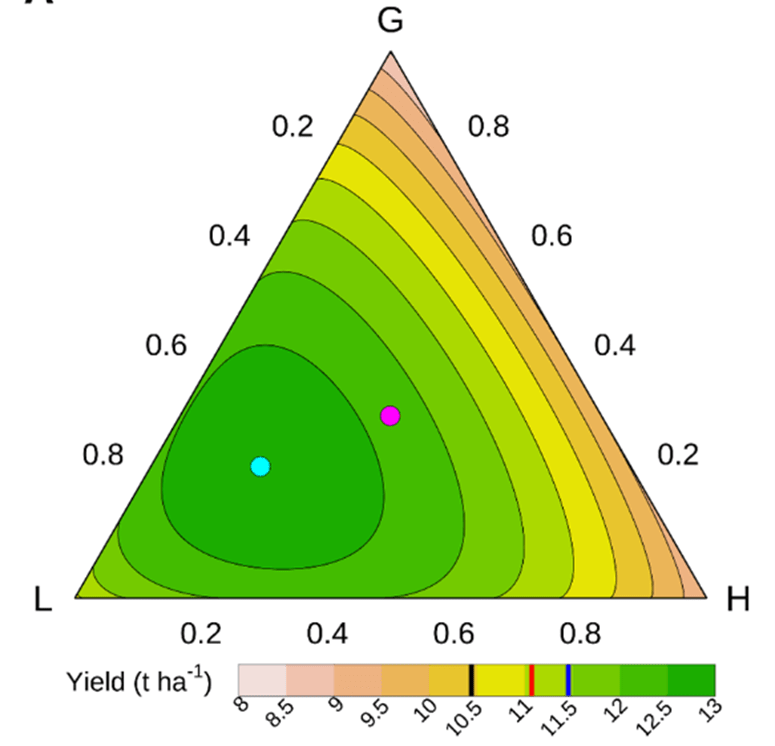
    The findings showed that grassland mixtures of several species achieved higher yields than the monocultures due to beneficial interactions between the species. The mixtures yield was much higher than the sum of the individual parts. A mixture of grasses, legumes and herbs delivered an 11% higher yield than a grass monoculture receiving more than twice as much nitrogen fertiliser, and an 18% higher yield than a simple grass-legume mixture with the same fertiliser input.

    The warmer the climate, the greater the yield advantage of multispecies mixtures

    And further good news – the study shows that warmer temperatures enhance the advantages of grassland mixtures. With increasing temperatures, the yield advantage of the multispecies mixtures with legumes and herbs rose along the climatic gradient of the sites, underscoring the potential of mixtures for climate-change adaptation.

    It was not just in Switzerland that multispecies mixtures had an advantage. The study demonstrates convincingly that this Swiss tradition also improves resource efficiency worldwide and supports agriculture’s adaptation to climate change.

    Fig. 1: Forage yield as a function of the proportions of grasses (G), legumes (L) and herbs (H). The range within which yields are optimal (dark green) is wide.

    Conclusions

    • A global network tested forage-plant mixtures of two grasses, two legumes and two herbs in order to further develop more-sustainable cropping systems in forage production.
    • Forage-plant mixtures of six species, including legumes, were higher-yielding than systems composed of pure grass species or of a two-species mixture of grass and legume that are still common in other countries.
    • The yield increase of the multispecies mixtures rose with increasing site temperature. This shows that in the face of climate change, such mixtures can help safeguard forage-production yields.
  • Agricultural Consultancy of the Future: Rethinking Value Chains

    Agricultural Consultancy of the Future: Rethinking Value Chains

    Effective agricultural extension services create new value chains and optimise existing ones. An inter-cantonal, cross-organisational project demonstrates how practical, strategic collaboration can make Swiss agriculture fit for the future.

    Complex conditions demand new skills

    Swiss agriculture is facing increasingly complex challenges. Climate change, the loss of biodiversity, changing societal expectations and existing market structures require the development of innovative approaches across the entire value chain. Agricultural businesses are faced with the task of developing new crops, products and marketing strategies. At the same time, agricultural extension services are confronted with enquiries regarding less established crops and must provide support in building value chains that have so far been insufficiently developed.

    A shared knowledge base as the goal

    The project, initiated by AGRIDEA and partner institutions, aims to strengthen the expertise of agricultural extension services in value chain issues. Through four thematically structured workshops and with the support of specialist organisations such as the ZHAW, the FIBL and AGRIDEA, advisors from various cantons were brought up to a common level of knowledge. The workshops combined theoretical input, group work and visits to businesses, thereby systematically linking knowledge from research, practice and extension services.

    Key components of a value chain analysis

    Participants developed methodological foundations for value chain analysis, including the mapping of actors, processes and flows of goods, information and finance. In addition, geographical spheres of influence, sustainability dimensions and innovation potential were considered. The triangulation of documents, interviews, calculations and practical observations is central to effective analysis.

    Practical examples as a driver of learning

    Visits to projects such as ‘Bern ist Bio’ or the ‘Offensive Spezialkulturen Luzern’ clearly demonstrated how consultancy can drive innovation and new business models within value chains. The examples highlighted the importance of collaboration between agriculture, processing, universities and public bodies. At the same time, it became apparent that systematic data and standardised methodologies are lacking in many cantons, and that the link to the catering sector and consumer markets is crucial but often insufficient.

    Consultancy as a strategic lever

    The project results show that various cantons and institutions already have valuable experience, projects and methods in the field of value chains. At the same time, it became clear that a comprehensive overview and systematically collected data on value chains are lacking, and that the expertise within many cantonal extension services still needs to be developed.

    In numerous regions, there is a particular need for additional knowledge regarding new crops, market mechanisms and stronger inter-cantonal cooperation. Furthermore, there is a lack of a nationwide vision regarding the role of agricultural advisory services in the development of future value chains. Without long-term programmes, clear structures and sufficient resources, the potential of extension services can only be partially realised.

    Conclusions

    • Agricultural extension services are a key lever for building innovative and sustainable value chains but require better resources and clearer strategic frameworks to do so.
    • A shared knowledge base, systematically collected data and standardised methods significantly strengthen the analysis and further development of value chains.
    • Successful examples such as ‘Bern ist Bio’ and the ‘Offensive Spezialkulturen Luzern’ demonstrate that extension services can effectively drive innovation and cooperation along the chain.
    • Intercantonal cooperation, the involvement of the restaurant industry and processing sectors, and practical pilot projects are crucial for the further development of regional value chains.
  • Alternative Plant Protection in Arable and Vegetable Crops: Where Do Things Stand?

    Alternative Plant Protection in Arable and Vegetable Crops: Where Do Things Stand?

    A recently published paper by Agroscope gives an overview of preventive measures and non-chemical methods of controlling weeds, diseases and pests in arable farming and field vegetable cultivation.

    Integrated pest management is a concept combining various methods to keep harmful organisms below the economic threshold. Preventive measures form the broad foundation here, with decision-making tools providing support in determining the right time to apply any control measures (Figure 1). If control measures are required, biological, biotechnical and physical (i.e. non-chemical) measures are to be prioritised wherever possible. Only then, if these measures prove unsuccessful, are chemical plant protection products to be used. This publication gives an overview of the preventive measures and the non-chemical methods for controlling weeds, diseases and pests in arable crops and field vegetables, as well as an assessment of the practical suitability of these methods based on our current state of knowledge.

    Figure 1. The integrated pest management pyramid.

    Weeds

    Weed pressure can be reduced through preventive measures such as balanced crop rotations and optimised cultivation methods; weeds can be controlled in the crop by mechanical and physical methods. These methods are more time-consuming as well as less effective in the case of problem weeds, heavy weed infestation and unfavourable weather conditions.

    Diseases

    The main preventive measures are healthy seed, robust varieties, balanced crop rotations and good field hygiene. With these measures, the use of fungicides can largely be avoided in many arable crops with only a slight reduction in yield. In potato, sugar beet and field vegetables, preventive measures – especially in the case of disease-resistant varieties – can reduce fungicide use. At present, however, completely dispensing with fungicides is often not feasible.

    Pests

    In many arable crops such as cereals and maize, pests are usually adequately controlled with preventive measures such as crop rotation and the protection of beneficials. However, oilseed rape, potatoes, sugar beet and field vegetables are infested by pests with a high damage potential. A number of approaches have proven effective, such as crop rotation for sugar beet or the use of Bacillus thuringiensis to control Colorado potato beetles, and undersowings in oilseed rape have shown potential. Additional measures are still being researched.

    Quality requirements and food prices

    Due to the high-quality demands of the market, challenges in vegetable production are greater than in arable farming. With a view to reducing the use of plant protection products, it might be worthwhile to question the private-law quality standards for vegetables in terms of aspects that are purely optical or are non-hazardous in terms of food safety, and perhaps lower these standards and tolerate a certain level of pest infestation. Furthermore, the additional expenditure and higher yield-loss risks associated with alternative plant protection measures could be counterbalanced by higher food prices or other measures to render the crops economically profitable.

    Conclusions

    • Alternative measures for controlling weeds are available, but they are more time-consuming and less effective in the case of problem weeds and unfavourable weather conditions.
    • Nowadays, completely dispensing with the use of fungicides and/or insecticides in oilseed rape, potato and sugar beet is difficult. Although alternative plant protection measures are available, these are often associated with reduced effectiveness and additional costs.
    • The high quality requirements for field vegetables are difficult to meet with alternative measures. It might be worthwhile to reconsider purely optical quality demands and adjust them where appropriate.
    • Alternative plant protection measures are often more time-consuming and less effective. To ensure the economic profitability of these measures, the additional costs could be counterbalanced by higher food prices or other measures.
  • Drivers of Public Trust in Crop and Livestock Farmers and Policy Measures to Enhance it

    Drivers of Public Trust in Crop and Livestock Farmers and Policy Measures to Enhance it

    A lack of trust in farmers can undermine a functional food system and lead to stricter regulations. A survey conducted in German-speaking Switzerland compared levels of trust in crop versus livestock farmers and identified key factors for a targeted agricultural policy.

    Citizens often rely on trust as a “shortcut” when forming opinions about farming practices and policies. Trust is also important for the acceptance of innovations in agriculture and for farmer–consumer relations, an aspect that farmers themselves see as central to social sustainability.

    What the Swiss public associates with agriculture and farmers

    • Respondents most often associate agriculture with “farming”, “dairy farming”, and “food quality” and associate these terms with overall positive feelings.
    • Associations with Swiss farmers include “hard work” and “admiration” but also “difficulties”, “politics/subsidies”, and some negative attributes, with overall feelings being closer to neutral than for “agriculture” as a system.
    • The public tends to hold a traditional, simplified image of farmers and does not spontaneously connect farming with new practices or technologies.

    Crop farmers are trusted more than livestock farmers

    Overall, citizens’ trust in crop farmers is significantly higher than their trust in livestock farmers. Trust gaps are especially linked to concerns that are pronounced in livestock production, such as transparency regarding farming practices and animal welfare.

    What drives trust in both crop and livestock production

    Across both crop and livestock farmers, trust is most strongly driven by people’s image and feelings towards farmers, their perceived knowledge of farming practices, and their political orientation (i.e. right wing), all of which show a clear positive relationship with trust. One factor differs by production type: individuals’ meat consumption predicts higher trust in livestock farmers but does not matter for trust in crop farmers. By contrast, buying from farm markets and having personal or family agricultural experience are not relevant to trust.

    Implications for action: trust-building must be at the “system level”, not only at the farmer level

    The findings suggest that building trust cannot rely only on individual farmers’ efforts (e.g. farm–shop interaction with consumers). Instead, trust may be strengthened through a transparent agricultural system that enables citizens to assess practices even when direct contact is limited (e.g. credible disclosure, assurance, accessible information). For livestock in particular, communication that makes farmers’ shared values and ethical reasoning visible may help address both rational and emotional concerns.

    Conclusions

    • The Swiss public holds a traditional and simplified image of farmers; this image is not strongly positive or negative and may therefore be “fragile” and easily affected by situational factors.
    • Crop farmers are more trusted than livestock farmers, reflecting heightened concerns about transparency and animal welfare in livestock production.
    • The strongest levers for trust are affective responses (i.e. feelings) and perceived knowledge, plus political orientation, suggesting that trust strategies should combine credible information with value-based, emotionally resonant communication.
    • Trust building should be supported at the system level though policy, governance, and credible disclosure, not solely at the level of individual farms.
  • Räuschling Clone Breeding: Expansion of Genetic Diversity by Four New Clones

    Räuschling Clone Breeding: Expansion of Genetic Diversity by Four New Clones

    Thanks to the selection of new clones, the ‘Räuschling’ grape variety has become more consistent in terms of cultivation and wine quality. Multi-year trials have shown that four new clones stabilise yield and quality and reduce the risk of both berry splitting and Botrytis (grey mould) infestation.

    ‘Räuschling’ is a white-wine grape variety of local historical importance, chiefly cultivated around Lake Zurich (2024: 28.3 ha, 72% in Zurich Canton). It is also considered challenging to grow: the berries tend to crack or split before the harvest, which favours Botrytis and increases the effort involved in selection and harvest.

    Agroscope’s clone collection: the key to Räuschling’s genetic diversity

    Since the 1970s, Agroscope has been carrying out a clone selection programme to improve yield security, disease resistance and grape quality. The current clone collection (20 genotypes) is the only one of this variety in the world, and is thus key for genetic diversity.

    In Stäfa (Canton of Zurich), fifteen single-Guyot-pruned clones on an identical rootstock (3309C) were compared between 2015–2021, with Reference Clone 42 serving as the benchmark. Despite years characterised by extreme weather conditions (late frost/hail in 2017; wet summer in 2021) several clones reached the yield target of 1 kg/m². Must weights fluctuated within the narrow range of ~80–84 °Oe (Fig. 1); acid buffering and pH (~3.1) were similar across clones; oenological differences remained small.

    The newly selected clones compared: differences in yield, Botrytis resistance and wine profile

    • Clone 3: Very consistent yields, loose clusters, low susceptibility to splitting, lower tendency to Botrytis; top sensory rating; high formol index (yeast-available nitrogen).
    • Clone 25: Highest yield potential together with relatively high sugar content; very loose clusters; in individual cases (2017/2019) more Botrytis, otherwise moderate susceptibility; sensory attributes were well rated.
    • Clone 28: Higher-than-average sugar content, loose clusters, tendency towards less splitting/Botrytis; sensory attributes highlight fruity notes.
    • FAW ‘rot’ (red-skinned): High yields with a relatively high must weight; little Botrytis despite compact clusters; fruity profile characteristic of the variety.

    Mixed-clone plantings enhance resilience of ‘Räuschling’ grape variety

    Important for practitioners: mixed plantings of several clones increase resilience, since characteristics complement each other depending on the vintage (e.g. high yields vs. susceptibility to splitting). This supports quality and yield, especially in years with precipitation before the harvest. Clones 3 and 25 are available; Clone 28 and FAW ‘rot’ are currently undergoing the approval process. The clone collection remains strategic for preserving diversity and for the ability to react adaptively to climate change.

    Figure 1: Yield (kg/m²) and must weight (°Oe) per clone (average for 2015–2021). Legend: Dotted lines denote overall average; Highlighted: Reference 42 and the four recommended clones.

    Conclusions and Recommendation

    • Clone selection: Suitable clones increase Räuschling’s consistency of both yield and quality, and reduce the risk of berry-splitting and Botrytis; in particular, Clone 28 and FAW ‘rot’ exhibit positive effects.
    • System structure: Mixed planting of Clones 3, 25, 28 and FAW ‘rot’ can further increase resilience within a system.
  • Food Side-Streams as an Underestimated Resource – a Literature Review

    Food Side-Streams as an Underestimated Resource – a Literature Review

    Along the food value chain, sizeable, hitherto-little-used side streams continue to accumulate. An Agroscope literature study shows that key questions on use and industrial valorisation remain unresolved.

    Growing Importance of Side Streams

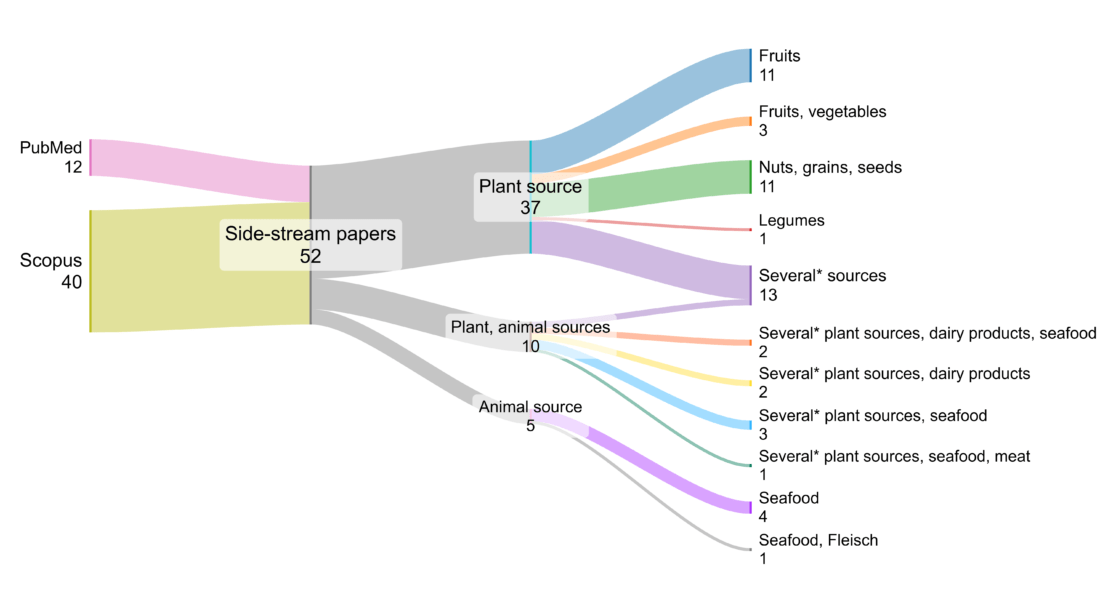
    The use of side streams has gained in importance in recent years, with the number of scientific publications on the topic also increasing. As part of the third-party-funded EU Project ‘WASTELESS’ (Horizon 2020, Grant Agreement 101084222), researchers from Agroscope conducted a literature study in which two research databases were searched for relevant reviews on side streams to determine the current state of knowledge on this topic. Fifty-two English-language reviews were identified and analysed. As can be seen from Figure 1, plant sources predominate.

    Figure 1: Overview of the reviews examined and the sources of side streams examined therein.

    Plant-based side streams predominate – those of animal origin still scarcely examined

    An important plant-based side stream is brewers’ spent grain. The applications described in the literature range from baked goods to pastes and spreads, all the way to yoghurt and sausages. In the present study, fruits accounted for the highest percentage of plant sources examined, with 37 of the total of 52 reviews examined dealing with side streams from fruits. Here, we are dealing primarily with the side streams of pomace, peels and seeds.

    At present, animal sources of side streams are less frequently researched. Side streams from animal sources stem mainly from seafood (fish, shellfish, bivalve molluscs, crustaceans, etc.) and dairy products (mainly whey and buttermilk). Meat is discussed far less frequently, with only four of the 52 reviews examined dealing with this category. However, since a large proportion of food losses with meat are attributable to preference losses, this would be a particularly worthwhile category with a high loss-reduction potential.

    Consumer acceptance of upcycled products: opportunities and hurdles

    Currently there are few studies on how products manufactured from side streams are accepted by consumers. In general, consumers seem open to these products, but tend to want to pay less for such products than for conventional ones. Acceptance could be increased by for instance promoting upcycled products via their added value, or stressing agricultural sustainability. Another key element for acceptance is sensory science. If a product does not taste good or no longer looks attractive owing to the addition of side-streams, these could be decisive hurdles for consumer acceptance.

    Conclusions

    • At present, plant-based side streams in food production are more frequently used than those of animal origin.
    • Greater data transparency on side streams from the food industry would help with the continued examination of potential.
    • A lack of consumer acceptance of products from side streams can be a major hurdle for their use.
  • The Digital Transformation of the Swiss Agrifood Sector

    The Digital Transformation of the Swiss Agrifood Sector

    This article describes how digitalisation in the Swiss agricultural sector has evolved from 2018 to the present day. It also outlines the measures required for successful digitalisation.

    Cooperation between all stakeholders in the Swiss agrifood sector is key to filling gaps in the roll-out of new technologies, ensuring that all farms have the same opportunities to adopt technological innovations, and avoiding power imbalances. This requires various technologies to be incorporated into new production processes, technological development to be geared towards the needs of farmers, training and further education in the field of digitalisation to be strengthened and agricultural policy to take account of digital advances.  At the same time, data protection must be guaranteed and all participants in the Agricultural Knowledge and Innovation System (AKIS) must contribute jointly to the digital transformation.

    Figure 1: Digitalisation milestones in the Swiss agrifood sector

    Technological focus of the Swiss agricultural sector since the 1990s

    Much has been achieved since the launch of the ‘Charter on the Digitalisation of Swiss Agriculture and Food Production’ in 2018. The DigiAgriFoodCH transformation programme is currently being implemented. Various data platforms are available, the most relevant of which are the Swiss Agricultural Policy Information System (AGIS) and the AGATE portal (agriculture, animals, food). The 2017 master data concept forms the basis for technical developments and since 2021 farm managers have been able to reduce their administrative burden by using the ‘Meine Agrardatenfreigabe’ (MAF) app to share their data with third parties on the agate.ch portal.

    Promoting dialogue in the Swiss agricultural sector since 2018

    The Digitalisation Charter community has been instrumental in promoting dialogue between stakeholders in the Swiss agrifood sector since 2018. They have succeeded in raising awareness of digitalisation, strengthening cooperation, highlighting the need for action and implementing joint projects. A 2019 policy initiative prompted the audit on the creation of a Centre of Excellence for Agricultural Data.

    Institutionalisation of digitalisation since 2022

    Following the recommendations of the postulate report, the FOAG established the ‘Digitalisation and Data Management’ division in 2022 and tasked it with setting up a Centre of Excellence. Since 2023, six sector-related measures focussing on data use, interoperability, innovation and user-friendly digital processes have been introduced as part of the DigiAgriFoodCH transformation programme.

    Implementation of the DigiAgriFoodCH transformation programme since 2025

    To date, data standards for the Swiss agricultural sector have been published. The data transfer service agrisdata.ch, which aims to ensure secure, interoperable data exchange, is now operational. The information and communication platform DigiAgriFoodCH also provides knowledge, organises events and creates networking opportunities. In addition, the interoperability platform I14Y (Switzerland’s national data catalogue) enables official and agricultural data to be harmonised and retrieved.

    Conclusions

    • Since its launch in 2018, the Digitalisation Charter has put digital transformation on a professional footing with DigiAgriFoodCH.
    • The DigiAgriFoodCH transformation programme sets out clear responsibilities, defines measures and provides a framework for their implementation.
    • Digitalisation can only be implemented in a sustained and meaningful manner if all stakeholders in the Agricultural Knowledge and Innovation System work together.
    • Technological developments and production processes geared towards the needs of farmers in combination with the standardisation and exchange of data create genuine added value.
    • Trust in and acceptance of digital technologies and their use must be strengthened to enable the digital transformation to be successfully rolled out.

  • Soil Organic Matter Content: Is There A Need to Update The Interpretation for Agricultural soils?

    Soil Organic Matter Content: Is There A Need to Update The Interpretation for Agricultural soils?

    Incorporating the SOM:clay ratio in the Principles of Agricultural Crop Fertilisation in Switzerland (PRIF) allows us to give more specific agronomic advice at each site based on a broader consideration of soil quality.

    Soil organic matter (SOM) is the main indicator of soil quality. The SOM content of agricultural soils is strongly influenced by agricultural practices, and a certain percentage of these soils are in a degraded state. It is therefore crucial, particularly for farmers, to be able to interpret the SOM levels revealed by the soil analysis in order to guide crop management choices.

    The Principles of Agricultural Crop Fertilisation in Switzerland (PRIF) provide a grid for interpreting the SOM content of soils which generally serves as a reference for the interpretation of the analyses. However, this grid has scarcely evolved since the 1980s and nowadays focuses on the function of supplying nitrogen (N). This suggests a significant potential for optimisation.

    The SOM:clay ratio is a simple soil quality indicator whose thresholds are based on the soil structure quality potential. The SOM:clay ratio interpretation scheme is calibrated to the ’VESS’ (Visual Evaluation of Soil Structure quality) method.

    The study conducted here aimed to evaluate the relevance of the SOM:clay ratio for interpreting the SOM content of the agricultural plots with a view to laying the foundations for a possible evolution of the PRIF interpretation grid. To this end, the thresholds defined in the PRIFs were compared with those of the SOM:clay ratio and the differences in assessment depending on method were highlighted for a selection of 184 FRIBO (Fribourg Soil Monitoring Network) plots.

    The SOM:clay ratio provides greater nuance

    The results of the study show that the PRIFs divide the plots into two groups: on the one hand, the majority of the arable land comprising the soils with the least SOM, classified as having an adequate SOM content, and on the other hand, a group comprising the arable land with the most SOM and the permanent grasslands, classified as ‘rich’. The assessment based on the SOM:clay ratio provides greater nuance on the SOM content of the arable land, indicating in particular that this content is considered inadequate in one-third of all cases.

    Towards more specific agronomic advice

    The study thus highlights the fact that in its current form, the PRIF interpretation grid does not constitute an adequate tool for effectively guiding farmers in managing the SOM of their fields. Incorporating the SOM:clay ratio in the PRIFs would enable a better differentiation between fields with very different SOM content but which are all currently classified as being at least adequate. The knowledge acquired will serve to update the PRIF chapter ‘Soil Properties and Analyses’.

    Conclusions

    • It is crucial to be able to interpret the SOM levels revealed by the soil analysis, in order to guide crop management choices.
    • In its current form, the PRIF soil quality interpretation grid is not an adequate tool for effectively guiding farmers in managing the SOM of their fields.
    • The assessment based on the SOM:clay ratio provides greater nuance on the SOM content of the arable land.
    • Incorporating the SOM:clay ratio in the PRIFs would enable more specific agronomic advice to be given for each field based on a broader consideration of soil quality.

  • Plant Diversity to Cope with Increased Drought Risk in Grasslands

    Plant Diversity to Cope with Increased Drought Risk in Grasslands

    Plant species diversity in intensively managed grasslands can act like a natural insurance against drought risk by reducing production variability. This reduction persists even at increased drought risks.

    Covering more than 60% of agricultural lands worldwide, meadows and pastures play a key role in forage production whilst being exposed to climatic risks. Faced with these risks, of which drought is one of the most serious, farmers can increase the resilience of their farms by using ‘natural insurance’ approaches based on plant diversity. Such strategies not only help stabilise yields but also have additional environmental benefits.

    An economic approach treating diversity as natural insurance policy

    A study conducted by ETHZ and Agroscope adopted an economic approach to plant diversity, viewing it as a portfolio of assets that reduces production variability, thus conferring an ‘insurance value’. The analysis combines a theoretical framework with empirical modelling based on experimental data from grasslands in Switzerland composed of high-performing species commonly used in intensively managed grasslands. The study identifies two stabilising mechanisms – an ‘ecological effect’ and a ‘statistical averaging effect’ – and highlights the role of species asynchrony, that is the temporal complementarity in growth between species.

    Plant diversity reduces risks due to a statistical effect

    The results show that plant diversity tends to reduce yield variance, thus confirming its role as a production stabiliser. However, the study highlights an increased risk of extreme yield losses in the more diversified systems (seen with a more negative ‘skewness’). Despite this, the overall benefit from diversification remains positive: the insurance value of plant diversity is significant and persists even when drought risks increase.

    The analysis also reveals that the statistical averaging effect plays a more important role in determining the insurance value than direct ecological interactions between species. In other words, it is diversification per se – the act of combining species that react differently – that contributes most to grassland economic stability.

    An integrated perspective for sustainable grassland management

    These results confirm that plant diversity can constitute a risk-management instrument. The study highlights the potential of this strategy to strengthen the resilience of agricultural systems in the face of drought – a major asset in the context of climate change.

    These conclusions are also relevant for public decision-makers, suggesting that the promotion of more diversified intensively managed grasslands could be incorporated into agriculture and climate policies, not only for environmental reasons, but also as an economic stabilisation tool.

    Conclusions

    • Plant species diversity in intensively managed grasslands can act as a natural insurance, reducing production variability and offering a measurable economic value.
    • The insurance effect is mainly due to a statistical averaging effect rather than to direct ecological interactions between species.
    • Even at increased drought risks, the insurance value of diversity remains positive.
    • These findings suggest that plant diversity should be given greater recognition in agricultural and climate policies to leverage economic and environmental resilience.
  • Capillary Effect Confirmed: Why Hay Particles Are Key for Eye Formation in Emmentaler Cheese

    Capillary Effect Confirmed: Why Hay Particles Are Key for Eye Formation in Emmentaler Cheese

    Ten years ago, Agroscope showed that eye formation in cheese is promoted by tiny hay particles whose capillaries serve as starting points for cheese eyes. Researchers have now confirmed the crucial role played by the capillary effect.

    Lack of eyes in Emmentaler PDO

    The size, number, shape and distribution of the eyes in Emmentaler-type cheese are key quality parameters. In the early 21st century, producers of Emmentaler PDO had to deal with the problem of inadequate eye formation. The spatial separation of feeding and milking in dairy-cow loose-housing systems and technological improvements in milk production not only led to more hygienic milk, but also to a lack of natural microparticles such as hay powder. Guggisberg et al. (2015) showed that microparticles of plant origin function as eye starting points that control the number and size of eyes in the cheese in a dose-dependent manner. The authors of the study put forward the hypothesis that microparticles of hay powder with intact capillaries were the most likely starting points for the eye formation.

    Tests with defined capillary elements

    Synthetic hollow fibres with an inner diameter of approx. 10µm and synthetic capillaries with inner diameters of 0.13mm and 0.18mm in different lengths and quantities were added to the curd during whey-immersed filling. For reasons of safety, these experimental Emmentaler cheeses were not released for consumption; the synthetic hollow fibres and capillaries were chosen because of their defined capillary structure.

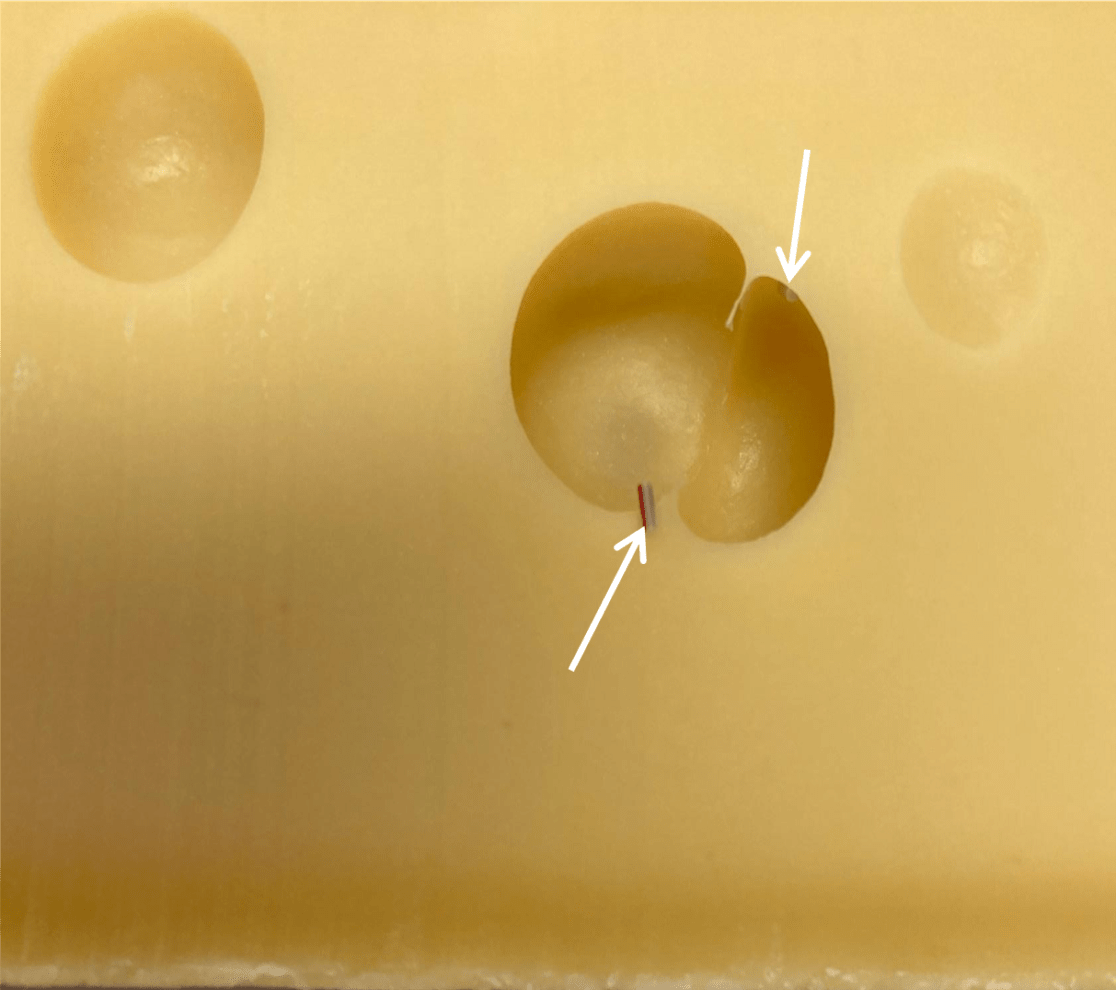
    Fig.1. Cross-sectional view of a model Emmentaler cheese with eyes, formed around synthetic capillary tubes (inner diameter 0.13–0.18mm, length 2–3mm; arrows) (Florian Loosli, Agroscope, Bern-Liebefeld)
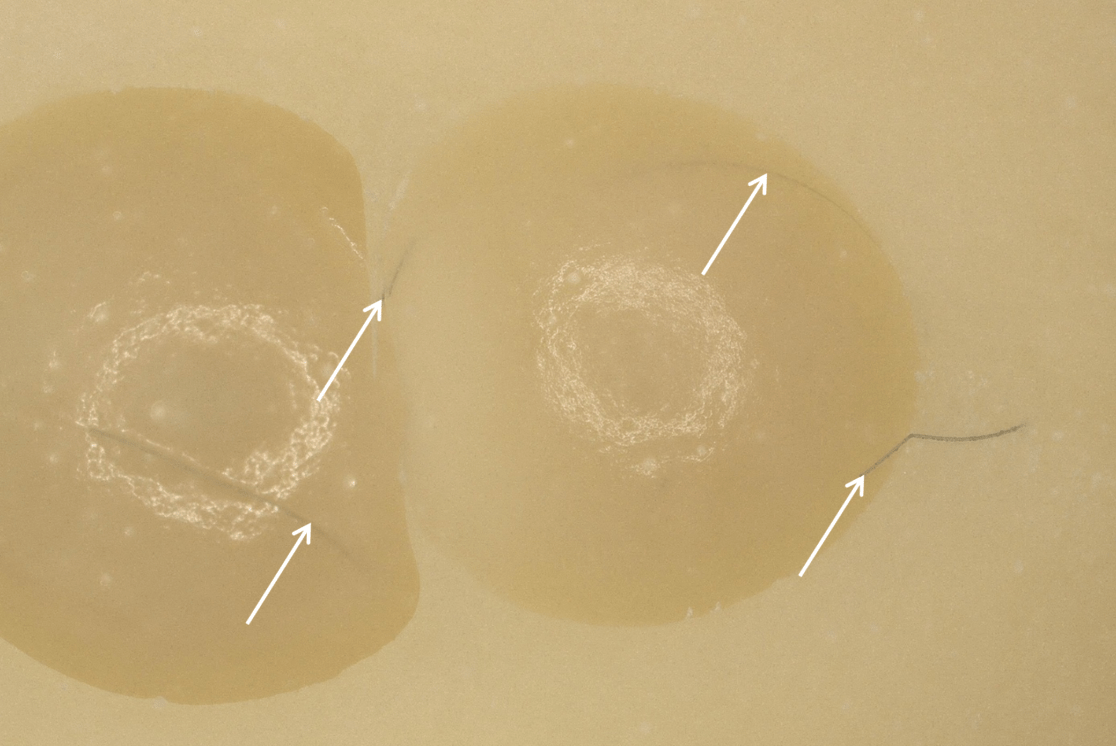
    Fig. 2. Cross-sectional view of a model Emmentaler cheese with eyes formed around synthetic hollow fibres (inner diameter 10μm, length 6mm; arrows) (Dominik Guggisberg, Agroscope, Bern-Liebefeld)

    Key role of capillary effect confirmed experimentally

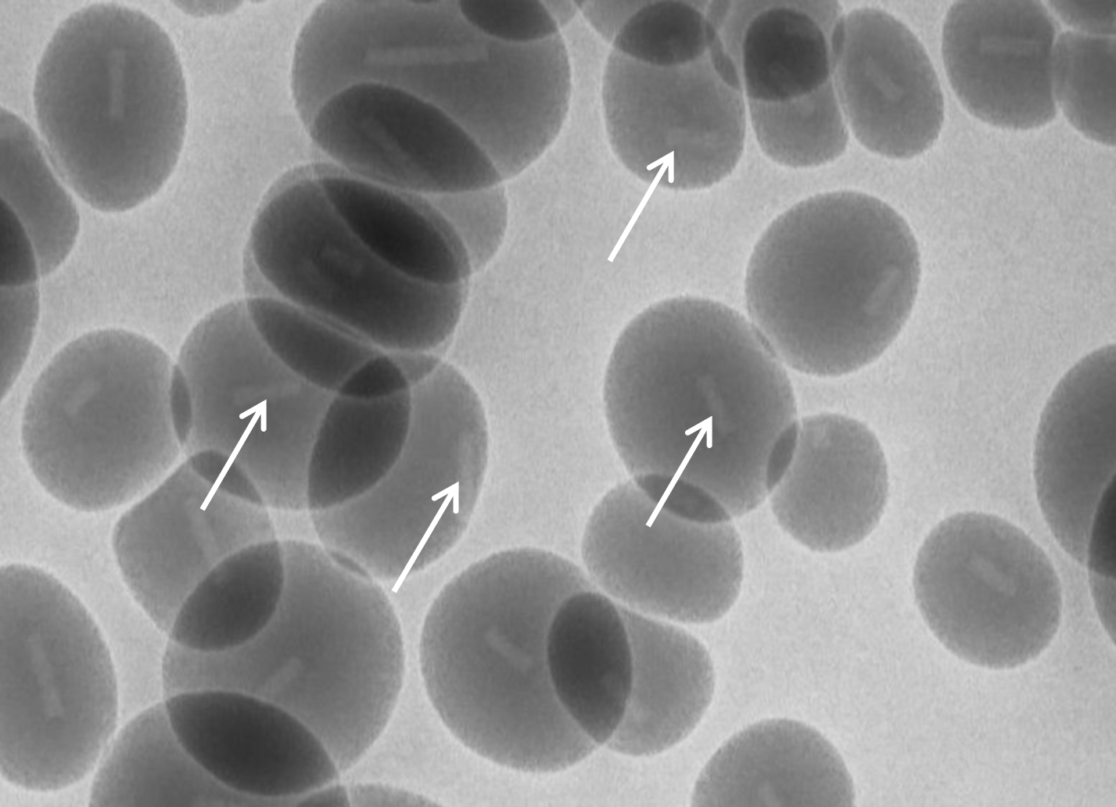
    The number and size of the eyes in the experimental cheeses were influenced in a dose-dependent manner, as previously in the study with hay powder. Unlike the hay particles, the synthetic hollow fibres and capillaries were clearly recognisable in both the X-ray image and to the naked eye. The X-ray analysis showed that each eye contained at least one capillary – proof that the eyes had formed around the capillary structures which, due to the capillary effect, necessarily contained entrapped air.

    Fig. 3. Extract from an X-ray image of a model Emmentaler cheese with eyes formed around synthetic capillaries (arrows show a few examples) (Florian Loosli, Agroscope, Bern-Liebefeld)

    Conclusions

    • The most likely starting points for eye formation in cheese are microscopic air bubbles.
    • In aqueous environments such as milk and whey, capillary structural elements carry air bubbles.
    • Air bubbles may be introduced naturally into the milk along with capillary structural elements such as tiny hay particles. Structural elements without capillaries cannot function as eye starting points.
    • As of 2025, producers of Emmentaler PDO are allowed to add natural hay powder to the cheese curd to improve eye formation.
  • How the Alpine Farming Sector and Individual Alps Can Promote Worker Loyalty

    How the Alpine Farming Sector and Individual Alps Can Promote Worker Loyalty

    Swiss summer farms lack qualified and experienced staff, partly because workers are spending fewer summers on the alps. The shortage of staff and loss of experience can have a negative impact on the sustainable management of the alpine pastures.

    The importance of staff for sustainable management 

    Every summer, around 17,000 alpine farmworkers contribute to maintaining the multifunctionality of over 6,500 alpine farms in Switzerland. However, those responsible for the alpine farms are finding it increasingly difficult to find qualified and long-term workers. Frequent staff turnover is detrimental to the sustainable management of summer farms due to knowledge loss and inefficiencies. In order to retain qualified staff in the long term, it is important to understand both the internal and external factors that encourage or discourage recurring employment on a summer farm. A survey (n=366) and interviews (n=23) with alpine farmworkers revealed two key problem areas.

    External factors as the biggest hurdle

    For the majority of alpine farmworkers, factors external to alpine farming prevent them from returning to summer farms in the long term. The seasonal way of life and its working patterns seem difficult to reconcile with modern lifestyles. The seasonal nature of alpine farming therefore remains a socio-economic challenge for workers who have to juggle their jobs, families and other commitments with life on the alpine farm. In addition, in some milieus, choosing to live on a summer farm in the long term is seen as a kind of ‘outcast’ lifestyle, which can also discourage people from returning to the alpine farm.

    Internal factors with potential for improvement

    At the same time, there are three relevant factors internal to alpine farming that contribute to workers not returning: employment conditions, work organisation and human resource management. For alpine farm workers, transparent communication, respectful cooperation and trust are key to long-term working relationships. Investment in adequate housing and working infrastructure remains important. However, there is a particular need for improved employment conditions, specifically higher wages that increase progressively with experience. Finally, greater commitment on the part of alpine farm managers is needed in terms of human resource management in order to attract and retain alpine farmworkers in the long term.

    Recommendations for the alpine farming sector and summer farms

    Based on the above findings, numerous recommendations for action were developed at a workshop with experts from the alpine farming sector (n=24). The most important recommendations are summarised below:

    The alpine farming sector should…

    • offer alpine farm managers further training opportunities in the field of human resource management;
    • provide alpine farmworkers with nationally coordinated and recognised training;
    • support workers in their job search in autumn by providing appropriate services (job platforms, job placement, etc.);
    • support permanently employed workers with arguments for being released by their employers to return to the alpine farms in the summer;
    • promote social recognition of alpine farmwork as complex and diverse by emphasising not only specific technical knowledge but also the development of comprehensive social and personal skills among alpine farmworkers;
    • develop templates for employment references and other documents for alpine farm managers to support them in managing alpine farmworkers;
    • contribute to improving and standardising the employment conditions of alpine farmworkers, in particular their wages.

    Summer farms should…

    • place greater emphasis on professional human resource management and provide themselves and their alpine farm managers with more training in this area;
    • not neglect the further development of housing infrastructure and farm buildings;
    • communicate openly, transparently and in a solution-oriented manner with alpine farmworkers – appreciation and criticism should be expressed and accepted in an appropriate manner on both sides so that trust can develop in a pleasant working atmosphere;
    • respond more specifically to the individual situation and needs of alpine farmworkers, i.e. to their skills and experience, and offer appropriate support or assign responsibility accordingly;
    • compile clear documentation with the most important information about the alp so that new workers can prepare themselves and get off to a better start;
    • support workers in their job search where possible and, where necessary, offer a certain degree of flexibility with regard to alpine farmwork.

    Conclusion

    Overall, it can be concluded that both alpine farming as a whole and individual alpine farms specifically can make a concrete contribution to improving the working conditions for alpine farmworkers. Only through the ongoing development of these working conditions in dialogue with the needs of alpine farmworkers and broader societal changes will alpine farming continue to be an attractive profession in the long term.

  • Resistant Grape Varieties: Raising Awareness of Promising Wines

    Resistant Grape Varieties: Raising Awareness of Promising Wines

    Wines produced from resistant grape varieties are in the ascendant in Swizerland. Consumers are showing that they are open to them. The market penetration of these wines, especially in the catering sector, could be improved through better communication.

    Against a backdrop of climate change and increasing research into sustainable viticulture, the use of grape varieties that are naturally resistant to fungal diseases would appear to be a promising option. Nevertheless, it is assumed that the market penetration of these grape varieties is sometimes curbed by their lukewarm consumer acceptance, even in the absence of systematic evidence of this.

    Within this context, Agroscope conducted a study with three complementary objectives: to evaluate the current situation regarding the planting of resistant grape varieties in Switzerland; to summarise the latest consumer studies concerning these grape varieties; and to analyse their current presence on Swiss restaurant menus.

    Limited but growing area

    Although the area planted with resistant grape varieties remains limited – 540ha out of 14,484ha – it is on the increase, with German-speaking Switzerland having a substantial lead at this stage. The main resistant red grape variety planted in Switzerland is Divico, followed by Carbernet Jura. The main resistant white grape variety is Souvignier Gris, followed by Johanniter.

    Consumer openness

    In a recent study investigating Swiss consumer acceptance of resistant grape varieties, three factors were identified as levers with a potentially significant impact: the sensory quality of the wines; consumer wine knowledge level; and consumer familiarity with resistant grape varieties.

    Here, we also show that consumers are open to resistant grape varieties for different consumption occasions and appear willing to incorporate them in their consumption habits.

    Restaurateurs indicate need for support

    A study of the menus of 450 catering establishments reveals that several already offer these wines on their menus. The distribution observed at production level is broadly reflected in the wine lists of the catering establishments.

    The study asked restaurateurs what factors would encourage them to add this type of wine to their menu, as well as what factors would explain their lack of interest. The analysis of their responses reveals a variety of positionings. Several restaurateurs expressed a qualified openness to including these wines, motivated by the desire to diversify their wine lists and by values associated with sustainability. The inclusion of new products also appears to be strongly conditioned by the offerings of their usual winegrowers and suppliers; this dependence underscores the importance of good communication and collaboration between producers and restaurateurs to facilitate adoption. Several professionals insist that the adoption of this type of wine will depend on actual consumer demand and market trends. Several also express reservations as to the taste quality of these wines. Finally, some restaurateurs express a lack of knowledge about these grape varieties and a need for support in order to better understand them and contemplate including them on their menus.

    Conclusions

    • The establishment of resistant grape varieties in the Swiss viticultural landscape remains limited, with German-speaking Switzerland being somewhat ahead in this respect.
    • A proportion of consumers are relatively open to these grape varieties, both with respect to their sensory acceptance and their presence on restaurant menus.
    • These wines already feature on menus, but their market penetration could be improved by increasing the knowledge of the actors responsible for choosing the wines, as well as by strengthening the links between winegrowers, suppliers and restaurateurs.
    • Generally speaking, improving communication and education with regard to these grape varieties appears to be a suitable way to support their inclusion on Swiss wine lists.
    • Organoleptic quality remains the key criterion, whilst environmental messaging appears to be of secondary importance in consumer purchasing decisions.
  • Quantifying Food Waste: Focus on Vegetable Production

    Quantifying Food Waste: Focus on Vegetable Production

    Food waste in primary production is rarely recorded – yet this data is key to devising effective reduction strategies throughout the entire value-added chain. This analysis evaluates existing measurement methods with the focus on vegetables.

    Around 37% of edible food is wasted every year in Switzerland. To address this issue, the Federal Council adopted the Action Plan to Reduce Food Waste in April 2022 with the aim of halving food waste by 2030.

    Vegetables and potatoes account for the largest share of avoidable food waste, at 104.3kg per person and year. These volumes put this product group second in the food waste league table in terms of environmental impact. One third of this waste is generated during primary production, e.g. when vegetables that fail to meet the size standards are rejected. A current data gap makes it difficult to effectively quantify the volumes of waste generated, yet this information is needed to obtain a complete picture and devise reduction measures throughout the value-added chain.

    The aim of this study is to compare existing scientific studies on food waste in the primary production of vegetables as the basis for deriving approaches for a monitoring system to record this waste in Switzerland.

    Understanding food waste: study comparison and monitoring approaches

    For this analysis we searched Scopus, the database for scientific publications, for studies which met the following criteria:

    • published after 2015,
    • studies of food waste in Europe, North America and Oceania,
    • peer-reviewed.

    The focus lay on studies of tomatoes, potatoes, carrots, onions and lettuce. These crops were chosen because they cover different growing methods (field-grown and greenhouse) and crop types (root, leaf and fruit vegetables), and represent the vegetables most widely grown in Switzerland. The ten studies which met the criteria were analysed and compared.

    Major differences in how food waste is recorded

    The selected studies use food waste definitions from different institutions. The differences mainly relate to:

    • whether food waste recovery (e.g. as animal feed) is considered,
    • whether non-edible parts (e.g. peel) are included,
    • and whether a distinction is made between avoidable and unavoidable waste.

    These definitions have a significant influence on quantification, since the waste rates appear correspondingly higher or lower due to the in- or exclusion of certain components.

    In addition, the studies use different measurement methods. Some record waste directly, by weighing or counting, others estimate the quantities based on interviews or surveys. These methods generate data in different units and with different degrees of uncertainty.

    Finally, the studies record different reasons for waste. Some consider total on-farm losses, others only avoidable losses, or specific reasons for losses, e.g. vegetables that were not harvested. As a result, the measured losses in the studies are not always comparable.

    Conclusions

    • In Switzerland there is a data gap concerning the amount of avoidable food waste generated through the production of vegetables and potatoes.
    • Furthermore, there are few studies on this subject at international level. Existing studies define food waste in different ways, use different measurement methods and record different reasons for losses. Consequently, the results are not comparable.
    • A monitoring method is needed in Switzerland to record vegetable and potato losses and provide a complete picture of food waste throughout the entire value-added chain.
    • Existing studies can provide measurement approaches for developing a suitable monitoring method. However, these must be validated with the involvement of different stakeholders and adapted to the Swiss context.
  • Alternative Forage Plants as Catch Crops

    Alternative Forage Plants as Catch Crops

    Interest in drought-adapted alternative forage plants is growing. What is their potential as catch crops? A study by Agroscope highlights the advantages and limitations of a selection of these crops.

    Interest in forage crop species native to tropical, Asian or Mediterranean regions is on the rise as summer droughts become increasingly frequent. These species can maintain growth even during periods of severe water scarcity.

    In 2020 Agroscope conducted in Changins (VD) a trial of twenty species on small plots to investigate their performance as summer catch crops. The species tested included C4 plants (green maize, sorghum, foxtail millet, pearl millet, teff) as well as black oat, paddy rice, legumes (annual lucerne, blue lupin, sulla, forage lentil, squarrose clover, cowpea, lablab), guizotia, Tartary buckwheat and camelina. Their growth, yield and forage quality were compared.

    Youth development and soil cover

    The catch crop trial ran from 6 August to 30 September.  The weather conditions were very favourable (sufficient rainfall and warmth) during the 55-day growing period. Each species was sown in pure seed. The thousand-seed weight of the different species was used to determine their seeding density and depth.

    The youth development, soil cover and general impression were evaluated using a visual scoring system. Green maize, sorghum, cowpea and lablab germinated in less than six days, while blue lupin and squarrose clover took more than 15 days. Soil cover 25 days after sowing was poor for several species, especially forage lentil, blue lupin, sulla, annual lucerne and squarrose clover. The general impression, which includes vigour, density and uniformity of vegetation cover, was good for foxtail millet, guizotia, paddy rice, black oat and camelina.

    Yield and nutritional value

    Dry matter (DM) yields varied substantially depending on the species. Taking advantage of the favourable conditions, green maize recorded the highest yield at more than 63 dt of DM/ha. Multi-cut sorghum produced 44 dt/ha, followed by buckwheat, camelina and foxtail millet (32 to 33 dt/ha). Several species, most notably the legumes, produced low yields of 20 dt/ha. Unfortunately, although the C4 plants produce large quantities of biomass, they provide only moderately digestible, fibrous forage with low energy levels of 5.0 MJ NEL (net energy of lactation) per kg DM. However, the nutritional values of several species such as black oat, sulla, paddy rice, guizotia and buckwheat are promising. The legumes are characterised by high crude protein levels. It should be emphasised that the lablab provided a high yield of quality forage when combined with multi-cut sorghum.

    To better exploit the potential of the species tested, it would be interesting to grow them in association with other forage plants whose quality in terms of yield, nutritional value and growth is known.

    Conclusions

    • When grown as a pure seed, most of the trialed species of forage plants native to tropical, Asian and Mediterranean regions do not make suitable catch crops either because of their low biomass yields, poor forage quality or slow development.
    • Multi-cut sorghum is without doubt the most promising species as it can produce high yields even in very dry conditions.
    • More convincing results could probably be obtained by growing these crops in association with forage crops whose attributes are already well-established; for example, a mix of lablab and sorghum or sorghum and Berseem Clover.
  • How Stable Will Future Crop Yields Be in Switzerland?

    How Stable Will Future Crop Yields Be in Switzerland?

    Stable yields in plant production are crucial for farm profitability and food security. Model simulations show that the yield stability of many summer crops could decline substantially due to climate change, while winter crops are significantly less affected.

    Unfavourable weather conditions, particularly drought and heat, have negative effects on plant growth. With climate change, adverse situations occur more frequently. The result is increasing fluctuations in harvest yields. This has implications for the country’s food security and the income of farmers.

    Switzerland’s degree of self-sufficiency depends on stable yields

    Switzerland’s degree of self-sufficiency in plant products currently stands at around 40%. Population growth, coupled with the necessity, as formulated in the climate and food strategy, of gearing diet more closely to the food pyramid, requires plant production to be increased. At the same time, increasing the utilised agricultural area is scarcely feasible. To be able to ensure a minimum degree of self-sufficiency in future, including as regards plant-product production, both high yields and high yield stability are of fundamental importance.  

    Future harvest yields modelled on the basis of Swiss climate scenarios

    This study simulates harvest yields for a crop rotation with winter wheat, winter barley, maize, oilseed rape, sugar beet and potatoes, soybean, and temporary leys as a catch crop, using a plant-growth model for the present-day climate and the period around 2060. The simulations are based on the climate scenarios provided by the National Centre for Climate Services (NCCS). The growing regions of the Western Plateau, Central Plateau, Eastern Plateau and Eastern Jura were taken into account.

    Different effects on winter and summer crops

    The effects of climate change on plant growth differ between summer and winter crops. Higher spring temperatures, earlier onset of the growing season and better water availability have a positive impact on winter crop yields. Winter crops also benefit significantly from increased CO2 concentrations in the atmosphere. By contrast, when cultivated without the use of irrigation, maize, sugar beet and potatoes are affected by the decrease in rainfall and the rise in evaporation rates in the summer. Hence, annual fluctuations in summer rainfall lead to a noticeable decrease in yield stability in the case of maize, sugar beet, potatoes and soybean, even when the positive impacts of increased CO2 concentrations in the atmosphere are taken into account.

    Decreasing yield stability highest in the Central Plateau

    Switzerland’s Central Plateau is particularly hard-hit by this decline. According to simulation results, without taking into account the positive effects of increased CO2 concentrations in the atmosphere, yield fluctuations in this region will increase by over 60% for soybean, over 50% for maize, by 40% for potatoes and by 25% for sugar beet (Fig. 1). Although the increase in variability will be mitigated by the influence of the rising CO₂ content, it will still stand at over 20%. These results are an important basis for further analyses on the profitability of cultivation systems, the need to adapt insurance strategies and the guaranteeing of food security under future climate conditions.

    Figure 1: Relative change in yield variability up to 2060 (compared to today) for the summer crops of maize, potatoes, sugar beet and soybean (results from the simulations without taking into account the positive effects of increased CO2 concentrations in the atmosphere, termed cCO2, and taking these effects into account, termed eCO2).

    Conclusions

    • In future, the decline and greater annual range of variation in summer rainfall caused by climate change will lead to a noticeable decline in the yield stability of summer crops.
    • Model simulations show that the Swiss Central Plateau is the region that will be hardest hit by these changes.
    • A lower decline in yield stability was simulated for winter cereals.
  • Targeted Grazing by Highland Cattle: Less Green Alder, More Plant Biodiversity

    Targeted Grazing by Highland Cattle: Less Green Alder, More Plant Biodiversity

    A recent Agroscope study highlights the potential of Highland cattle to control the spread of green alder and restore plant diversity on mountain pastures.

    Green alder(Alnus viridis) is a shrub species which encroaches mountain pastures in Central Europe, with negative economic and ecological consequences.

    Targeted grazing by robust breeds of cattle may limit its spread and help to restore pastures, but the long-term effectiveness of this practice and its impact on plant diversity and forage quality over time remains unclear.

    Agroscope conducted a study on two alpine pastures encroached by A. viridis: Bovonne in Switzerland, where Highland cattle were introduced in 2019, and Val Vogna in Italy, where they were introduced in 2009. The researchers characterised changes in vegetation cover over the past decades by analysing satellite images, conducted vegetation surveys by assessing the impact of Highland cattle on plant diversity and pastoral value between 2019 and 2024, and evaluated animal movement patterns using GPS tracking.

    Shrubland cover

    Long-term image analysis shows that shrubland cover declined at the two sites following the introduction of Highland cattle: from 17 to 16.3 hectares over five years at Bovonne (-4%), and from 34.6 to 31.8 hectares over 14 years at Val Vogna (-8%).

    Plant diversity and forage quality

    The vegetation surveys carried out in 2019 and 2024 show that average species richness increased from 25.5 (number of species recorded on 25 m2) to 32.2 at Bovonne and from 30.6 to 32.9 at Val Vogna.  The pastoral value – index that combines forage yield and quality – of open pastures at Bovonne improved from 12.9 to 17.7 (on a scale of 0 to 100). 

    Cattle movement

    Cattle movement patterns indicate a preference for pastures rather than shrublands, although at Bovonne they increasingly grazed within the green alder stands over time.

    Conclusions

    • Highland cattle are an effective tool for restoring mountain pastures encroached by green alder.
    • Targeted grazing by Highland cattle reduces shrubland cover in encroached areas, increases plant diversity and improves forage quality.
    • Highland cattle gradually adapt to their habitat, entering zones encroached by green alder over time.
  • Strategies for Reducing Nitrogen and Phosphorus Losses

    Strategies for Reducing Nitrogen and Phosphorus Losses

    Imports from abroad were incorporated into Switzerland’s farm-gate-budget-based agricultural nutrient budget calculation to expand it into a food-system budget. This allows assessment of self-sufficiency, nutrient use and circularity to be assessed in addition to nutrient surpluses.

    The farm-gate budget is used to assess the nutrient flows of a country, region or farm. In Switzerland, it is also used at national level as an agricultural policy target indicator.  Among others, it covers inputs and outputs of nitrogen (N) and phosphorus (P) from feed, fertilisers, the purchase and sale of animals, and agricultural production.

    This study expanded the system boundaries of the budget calculation by including food production and waste streams. Consequently, it also included the import, consumption and recovery of nutrients abroad. Based on different scenarios, the scope and potential for reducing losses were discussed:

    1. Business as usual (BAU) – growing demand for food whilst production remains steady.
    2. Optimised nutrient management – agricultural best-practice methods for increasing agricultural nutrient-use efficiency in livestock production, farm-manure management and fertilisation in plant production.
    3. Food-waste reduction – reducing food losses across the entire food chain as a strategy for increasing resource-use efficiency and self-sufficiency.
    4. Circular agriculture – plant production focuses on human nutrition. By-products are used as fertilisers and animal feed, and animal production is meant to be primarily grassland-based.
    5. Combination – combines the strategies of food-waste reduction, circular agriculture and optimised nutrient management.

    The results show that Swiss food consumption leads to significant nutrient surpluses not only in Switzerland but also abroad. Since Switzerland imports more feed and food than it exports, additional nutrient surpluses of around 37,000 tonnes of N and 2700 tonnes of P, i.e. 35% and 66%, respectively, are generated inside the country, are produced abroad. 

    Combining the strategies with the highest potential

    The three strategies – optimised nutrient management, circular agriculture with a plant-based diet and the combination of these two – proved effective for reducing internal nutrient surpluses compared to the present-day and ‘business as usual’ scenarios, achieving reductions of around 30%, 18% and 44% for nitrogen and 32%, 5% and 53% for phosphorus. Furthermore, they yield an improved degree of self-sufficiency. Future studies could focus on determining the most efficient production systems, thereby helping to develop and justify effective strategies.

    Implementing these strategies is challenging, especially since agriculture is a heterogeneous sector with different types and sizes of farms and different geographic, socioeconomic and cultural framework conditions. What’s more, external factors (e.g. fertiliser and feed prices) influence the feasibility of the individual and combined measures.

    Whereas technical and highly concrete measures such as the covering of slurry tanks or the optimisation of fertilisation can be implemented relatively quickly, strategic changes in sectors such as the conversion of cultivation and husbandry systems or even changes in the population’s diet require more time. It is important to bear this in mind when selecting, prioritising and combining measures.

    Conclusions

    • The nutrient surpluses of imported feed and food as well as indicators for nutrient efficiency, circular agriculture and self-sufficiency were used to expand the farm-gate budget model.
    • This model made it easier to compare the effects of various development scenarios on nutrient surpluses in Switzerland and abroad.
    • A combination of strategies (optimising nutrient management, reducing food waste and circular-oriented agriculture) revealed the highest potential for reducing nutrient losses.
    • The budget calculation with expanded dimensions from production to consumption can help provide essential principles for policy decision-making processes.
  • Avoiding Subsoil Compaction under No-Till

    Avoiding Subsoil Compaction under No-Till

    With the passage of time, crop yield losses can occur on no-till farmland. Researchers from Agroscope and the Universities of Graz and Nevada demonstrated how subsoil compaction can lead to yield losses.

    In addition to permanent soil cover and a balanced crop rotation, no-till is one of the most important approaches for conservation farming. Practised worldwide on around 15% of arable land, this minimally invasive form of arable farming offers ecological and economic benefits such as lower energy consumption and less soil erosion.

    Yield losses and subsoil compaction

    Despite these benefits, global meta-studies show that no-till can lead to persistent yield losses, especially with maize crops, and this even decades after transition to no-till. Researchers from Agroscope and the Universities of Graz and Nevada discovered a possible reason for this: subsoil compaction, which is primarily caused by the use of heavy farm machinery in moist soil conditions.

    But why, exactly, does this happen? According to the study, compaction builds up when the frequency of compaction events is higher than the natural regeneration rate of the soil. In this situation, soil compaction leads to reduced rootability, worse water and nutrient access, and long-term soil-function losses.

    Relevance worldwide and for Switzerland

    The researchers estimate that approximately 40% of no-till land worldwide, i.e. around 0.8 million km², is exposed to an increased risk of soil compaction. No-till is practised on a large scale in North America, South America and Australia. To date, the percentage of farmland under no-till in Europe has been low, with only around 5% of arable land being managed without systematic mechanical cultivation. Soil compaction, however, is a major problem in all management systems. Switzerland also makes use of powerful, heavy machinery. Furthermore, moist soils in temperate regions such as Switzerland are by nature more prone to compaction. Consequently, the results of the study may be of general interest for agricultural practitioners, since soil compaction can also occur under most forms of soil management in Switzerland.

    Agroscope conducts research for a sustainable agricultural sector in Switzerland

    Together with national and international partners, Agroscope has developed the online tool ‘Terranimo’ for practitioners to prevent such soil compaction whenever possible. Agroscope is currently conducting two long-term field trials studying both the regenerative capacity of the soil and various measures for loosening the subsoil. Agroscope researchers from different disciplines are also involved in a joint European project investigating the importance and functions of the subsoil for agriculture.

    Conclusions

    • Although the percentage of no-till farmland in Switzerland is currently low, the risk of subsoil compaction in all forms of farming is a relevant issue.
    • Risk-mitigation approaches should be incorporated in a timely manner so as not to jeopardise the benefits of conservation agriculture. Agroscope makes the online tool ‘Terranimo’ available as a decision-making aid for this purpose.
    • It is imperative that the weight of the machinery and wheel load be adjusted to the load-bearing capacity of the soil. Here, the use of lighter or autonomous machinery will open up new possibilities in future.
    • Additionally, monitoring soil compaction helps by allowing targeted loosening measures to be taken at an early stage.
  • White Clover and Smooth-stalked Meadow Grass: Four New Recommendations

    White Clover and Smooth-stalked Meadow Grass: Four New Recommendations

    White clover and smooth-stalked meadow grass make a significant contribution to persistence and grazeability in high-yielding fodder-production mixtures. Based on the 2022 to 2024 variety trials, Agroscope can now recommend two new varieties for each of these species.

    White clover (Trifolium repens L.) is the quintessential fodder legume for long-term intensive use. Thanks to its stolons it is hardwearing and ideally suited to grazing. Grass swards with white clover are characterised by better fodder quality and palatability. Since it fixes atmospheric nitrogen, white clover also reduces the need for nitrogen fertilisers. There are white clover varieties that can release large amounts of prussic acid during digestion, which can adversely affect livestock health. Consequently, close attention is paid to this characteristic during variety testing.

    Smooth-stalked meadow grass (Poa pratensis L.) is just as suitable for intensive use as white clover. It has rhizomes that form a dense, hardwearing sward, making it likewise suitable for long-term mixtures, especially for pastures. Unfortunately, the slow juvenile development of smooth-stalked meadow grass means that it can only fulful its task in the sward after some time. Both species require high-yielding, competitive and robust varieties with maximum disease resistance if this potential is to be exploited. 

    28 varieties field-tested

    From 2022 to 2024 at five sites on the Swiss Central Plateau and two at higher altitudes, Agroscope tested the suitability of ten new cultivars and nine recommended varieties of white clover for fodder production under Swiss conditions. With smooth-stalked meadow grass, seven new cultivars and two recommended varieties were tested at four sites on the Swiss Central Plateau and one at higher locations. Juvenile development, yield, vigour, resistance to leaf diseases, winter-hardiness, persistence, and suitability for cultivation at higher altitudes were assessed, as were fodder digestibility in the case of smooth-stalked meadow grass and release of prussic acid in the case of white clover.

    Four new recommendations

    The white clover varieties ‘Melital’ from Belgium and ‘Minona’, a Swiss-bred variety, are now recommended. Their high yields and outstanding winter-hardiness make them standout choices. In addition, ‘Melital’ impresses with its excellent resistance to leaf diseases, whilst ‘Minona’ stands out for to its juvenile development and suitability for cultivation at higher altitudes. Both varieties are of the small-to-medium-leaved type.

    The smooth-stalked meadow grasses ‘Sextonis’ and ‘Sialis’ are two further new recommendations, both Swiss-bred varieties. ‘Sextonis’ stands out for yield, competitive ability and winter-hardiness, ‘Sialis’ for digestibility.  Both varieties also impress with their good resistance to leaf diseases and remarkable persistence. All four new recommendations substantially improve the recommended range.

    Struck off the list

    The previously recommended white-clover variety ‘Rabbani’ has lost its recommendation due to its unsatisfactory performance. Consequently, it may only be used as a recommended variety until the end of 2027.

    Agroscope’s variety recommendations

    Agroscope regularly tests different fodder-plant varieties in order to provide the Swiss agricultural sector with the latest reliable variety recommendations. Published every two years, the List of Recommended Varieties of Fodder Plants forms the basis for developing the best seed mixtures, and is an essential guidebook for the Swiss seed sector.

    Conclusions

    • In high-yielding fodder-production mixtures, white clover and smooth-stalked meadow grass ensure dense, hardwearing and persistent swards for the longer term.
    • Between 2022 and 2024, Agroscope tested a total of 19 varieties of white clover and nine varieties of smooth-stalked meadow grass.
    • Four new cultivars, the white clover varieties ‘Melital’ and ‘Minona’ and the smooth-stalked meadow grasses ‘Sextonis’ and ‘Sialis’, are new recommendations.
    • The previously recommended white clover variety ‘Rabbani’ has been struck off the list of recommended varieties.
    • The quality of the range of varieties of white clover and smooth-stalked meadow grass has been further enhanced by the new recommendations.
  • Using Vegetable Fibre to Reduce Plant-Protection Product Residues in the Musts

    Using Vegetable Fibre to Reduce Plant-Protection Product Residues in the Musts

    The use of vegetable fibre can reduce plant-protection product residues by up to 80% in white musts, with a more limited effect in red musts.. The method can be applied in cellar, as a complement to the responsible use of products in the vineyard.

    The ‘Viticulture and Oenology’ Experimental Station carried out a study evaluating the efficacy of vegetable fibre (VF) and bentonite (B) in reducing plant-protection products (PPPs) in Petite Arvine and Syrah musts. The study was conducted at laboratory and cellar level on the 2022 and 2023 harvests. In the laboratory, the VF achieves a 33 to 96% reduction in residues depending on the molecule, whilst the effect of the bentonite is negligeable. The combination ‘VF + B’ brings no additional improvement. Fermentation kintetics are preserved overall, although a slowdown can be observed with the bentonite.

    Confirmed efficacy of vegetable fibre for white musts in cellar

    The results for the white musts in 2022 obtained in the cellar show that settling alone reduces residues by around 20%. The addition of VF causes a marked improvement in efficacy (up to 85% for boscalid), enabling the complete elimination of certain molecules (mandipropamid, cyazofamid) with no detectable organoleptic changes. In 2023, the VF completely eliminated all measurable residues. B remains ineffective in all tested conditions (Fig. A).

    Figure A. Reduction of PPP residues in white must (Arvine) after settling. Ctrl: Non-treated must; VF:
    Vegetable fibre; B: Bentonites; M: Use of Dynawine static mixer.

    Reduced efficacy of vegetable fibre for red musts in cellar

    With red musts, fermentation reduces residues by 40 to 100%, limiting the impact of the VF. Results vary according to harvest: a modest reduction in 2022 (boscalid) and an absence of effect in 2023. Organoleptic differences and variations in certain parameters (end of malolactic fermentation, anthocyanin content)) were also observed. The application of VF during settling of the white musts is thus effective and can easily be incorporated into the vinification process, particularly during harvests characterised by heavy pressure from pests and late treatments. With red musts, direct use of VF is not recommended; an application on finished, filtered wine is more appropriate. This method represents an additional tool for the sensible management of PPPs at the vine, rather than a replacement for it.

    Conclusions

    • Vegetable fibre used to settle white musts effectively reduces the number and quantity of PPP residues, but is not effective in red musts, where it may even modify organoleptic perception.
    • The use of vegetable fibre is especially appropriate after numerous PPP treatments (particularly after veraison).
    • The reduction of PPP residues in cellar is not a substitute for the judicious use of PPPs in the vineyard.
  • VITISWISS Platform Assessment 2019-2021: Very Low Residues in Swiss Wines

    VITISWISS Platform Assessment 2019-2021: Very Low Residues in Swiss Wines

    The 451 wines analysed on the VITISWISS national platform for monitoring plant-protection product residues show that Swiss wines possess a high level of quality, with only two cases of non-compliance.

    Aiming to enable Swiss producers to guarantee the quality of their wines in terms of plant-protection product residues and research solutions for limiting the presence of residues in wine, VITISWISS – the Swiss federation for the development of a sustainable wine sector – decided in 2019 to set up a national platform to monitor plant-protection product residues in collaboration with institutional and professional partners. Between 2019 and 2021, the platform, which offers a centralised and standardised analysis procedure, dealt with 160 active substances and metabolites comprising 37 herbicides, 50 insecticides and 73 fungicides.

    Wines compliant with the legal requirements

    Of the total of 451 bottles of wine originating from organic or integrated production (IP) that were analysed, 449 or 99.6% met the legal requirements. Only two wines, i.e. 0.4% of the samples, were declared non-compliant following the identification of two products not authorised for use on grapevine in Switzerland. Overall, 26 other authorised active substances or metabolites were detected at values above the practical quantitation limit (PQL) of 0.01 mg/l. On average, the residue values recorded for these different products were nearly 30 times lower than the legal values. The analyses also identified 19 additional molecules at trace levels below the PQL.

    The average number of residues ranged between 1.2 for organic wines and 3.1 for IP wines (Fig. 1). The average values decrease considerably when phosphoric acid and phthalimides whose provenance is not necessarily associated with plant-protection product treatments are left out of the equation, resulting in organic wines with virtually no residues and IP wines with a maximum average of 1.4 residues.

    Figure 1: Average number of residues > PQL, standard deviations and minimum and maximum values (min. – max.) following the treatment programmes. ORGANIC: 235 wines analysed; IP: 189 wines analysed.

    Fungicides: the crux of the issue

    The great majority of residues were fungicides or their metabolites. Among the active substances identified are seven anti-botrytis active substances (fenhexamid, boscalid, cyprodinil, fludioxonil, fenpyrazamine, carbendazim and thiophanate-methyl), seven anti-mildew active substances (fosetyl-Al, iprovalicarb, mandipropamid, metalaxyl, dimethomorph, azoxystrobin and ametoctradin) and four anti-powdery-mildew active substances (fenpropidin, fluxapyroxad, fluopyram and spiroxamine). No traces of acaricides were detected in the samples analysed; 98% of the wines contained no traces of insecticides above the PQL and 99.3% contained no herbicide residues.

    Conclusions

    • The findings show that 99.6% of the analysed Swiss wines comply with the legislation and that the residues identified are far below the maximum authorised legal limits.
    • The number of residues is lower in organically produced wines than in the wines from integrated production.
    • Fungicides are the most frequently detected in wines whereas acaricides, insecticides and herbicides were only very rarely detected.
  • Evaluation of Vine-to-Cellar Chasselas Nitrogen Nutrition in the Canton of Vaud

    Evaluation of Vine-to-Cellar Chasselas Nitrogen Nutrition in the Canton of Vaud

    A survey conducted in the Canton of Vaud on Chasselas reveals frequent nitrogen deficiencies in the vineyard for the 2022-2023 vintage, despite the application of soil supplements. Only a third of those surveyed measure yeast-assimilable nitrogen (YAN) in the must.

    In viticulture, vine nitrogen nutrition management makes a crucial contribution to the elaboration of quality grapes and wines. As part of this study, a questionnaire was submitted to winemakers in the Canton of Vaud to gather information on nitrogen nutrition management for the 2022, 2023 and 2024 vintages of the Chasselas grape variety both on the vine and in the cellar.

    Nitrogen deficiency symptoms in specific vintages

    Nitrogen deficiency symptoms in Chasselas were observed by 56% of survey participants in 2022 and by 50% in 2023 – vintages marked by unusually high sunshine levels and summer temperatures. By contrast, these symptoms were not observed in 2024, a year characterised by numerous rainy episodes (Figure 1).

    Figure 1: Percentage of participants observing nitrogen deficiency symptoms in the vineyard as a function of vintage: 2022 (56% yes and 44% no); 2023 (50% yes and 50% no); 2024 (12% yes and 88% no).

    Soil application is the most widespread approach to nitrogen fertilisation

    Concernant la fertilisation azotée au vignoble, les pourcentages varient peu d’un millésime à l’autre. De manière générale, la fertilisation azotée au sol est la pratique la plus répandue chez les vignerons du canton de Vaud (avec des pourcentages compris entre 55 % et 60 % selon les millésimes), tandis que l’apport foliaire est très peu pratiqué. Une tendance similaire a été observée en Regarding nitrogen fertilisation in the vineyard, percentages vary little from one vintage to another. In general, soil application of nitrogen fertiliser is the most widespread practice among winemakers in the Canton of Vaud (with percentages ranging between 55% and 60% according to vintage), whilst foliar application is highly uncommon. A similar trend was observed in Valais, where a survey conducted on the 2022 vintage revealed that 89% of the respondents had not applied foliar nitrogen to the Chasselas grape variety in the vineyard. Nevertheless, foliar fertilisation remains an important practice in viticulture, as it optimises nutrient assimilation to prevent nitrogen deficiencies in grapes without impacting vine vigour. A yeast-assimilable nitrogen (YAN) concentration below 140 mg/L equates to a moderate deficiency situation for the vinification of white-wine musts.

    Slowdown at end of alcoholic fermentation and variability of yeasts used

    In the cellar, 27% of respondents measured YAN in the Chasselas must in 2022, followed by 33% in 2023 and 2024 (Figure 2A), with YAN values ranging between 62 and 182 mg/L. The majority of producers did not observe a significant slowdown of alcoholic fermentation (AF) (Figure 2B). Nevertheless, some producers reported sluggish or even stuck fermentation at the end of AF, with vats encountering difficulties in finishing the fermentation process. These slowdowns are most likely associated with the presence of residual sugars left by the active dry yeasts (ADY’s) used, which turned out to be a total of 32 different yeast strains. In their choice of yeasts, several participants expressed a preference for low nitrogen requirement (LNR) ADY’s over high nitrogen requirement (HNR) ADY’s. A survey of the yeasts used by producers is underway to evaluate their fermentation efficiency at different levels of assimilable nitrogen. The aim is to create factsheets to propose a microbiological tool that could be used as an alternative to oenological inputs during nitrogen-deficient vintages.

    Lastly, temperature control is a practice employed by 42% of respondents to resolve these slowdowns. Ninety-four percent of cellars have a temperature control system. Other practices used are aeration (39%) and the addition of lees or nutrients (19%).

    Figure 2: (A) Participants measuring YAN in the Chasselas grape must for the 2022, 2023 and 2024 vintages.  (B) Sluggish / stuck AF in Chasselas as a percentage of the 2022, 2023 and 2024 vintages.

    Conclusions

    • Nitrogen deficiency symptoms in the vineyard are a function of the vintage and appear more frequently during hot, dry years. Furthermore, nitrogen deficiency in Chasselas must is very common.
    • Soil application of nitrogen fertiliser is a common practice among winemakers in the Canton of Vaud, whilst foliar application is highly unusual.
    • Measuring yeast-assimilable nitrogen in the must remains a highly unusual practice among producers, despite the fact that it provides important information for controlling alcoholic fermentation (AF) and avoiding stuck or sluggish fermentation.
  • How the Lifespan of Dairy Cows Affects Profitability

    How the Lifespan of Dairy Cows Affects Profitability

    A study examines the economic drivers of the optimal productive lifespan of dairy cows in two Swiss production systems.

    If a healthy dairy cow calves regularly and produces more than 6000 kg of milk per year, it will have completed over nine lactations before reaching the economic optimum. But cows tend to be replaced much earlier. The average productive lifespan in Swiss dairy herds is usually considerably less than four lactations. In fact, most cows are culled during the first two lactations. This is mainly due to health disorders, fertility problems and concerns about economic losses.

    Sharp rise in income up to the fourth lactation

    A recent Agroscope study based on herdbook data from over 9700 cows which had completed ten lactations shows that, on average, the milk yield peaked during the fourth lactation and remained more at less at this level until the ninth lactation. A bioeconomic cow model was developed which linked accounting data from two groups of farms with different milk-yield levels – 110 farms with average annual milk yields of 6194kg per cow (C_low) and 79 farms with annual milk yields of 9338kg/cow (C_high) – with data for herdbook cows. The aim was to determine the optimal economic time to replace an older cow with a heifer. The results show that incomes increase particularly sharply from the first to the fourth lactation, but this rise gradually tails off from the fifth lactation.

    Income potential up to 800 CHF per cow

    Based on herdbook data, the average productive lifespan was 3.6 years for C_low cows and 2.9 years for C_high cows (corresponding to the baseline). In cases where early culling decisions are economically motivated, this would correspond to an annual production loss of three to four months (expected loss 25 to 33%), assuming that the culled cows had survived. This equates to an annual income loss of over 400 CHF per C_low cow and even over 800 CHF per C_high cow compared to a ‘trouble-free’ cow.

    Rearing costs and slaughter values determine productive lifespan

    Rearing costs, which range from 2300 to 5000 CHF per cow, are significant drivers of the productive lifespan of dairy cows. Thus for passionate breeders, the optimum replacement time for an older cow may be much earlier because they underestimate – or fail to take account of – the value of their own labour in rearing heifers. High slaughter prices also encourage early culling. Conversely, a full (and correct) assessment of their own labour may indicate that it makes economic sense to keep the cow for up to four more years, depending on the region and rearing period.

    However, breeding progress was found to play a limited role in reducing the optimal productive lifespan.

    Performance reliability before increased yields

    Herds with age structures corresponding to an average productive lifespan of four years for high-yielding cows and six years for low-yielding cows can provide an annual income increase of 10 to 15% compared with the status quo (baseline). However, this increase is conditional on a greater focus on yield stability with regular calving (performance reliability).

    Figure: Development of expected income for ‘C_high’ cow per production year based on different risk scenarios. The milk yield of the surviving cows (0% loss) is averaged with the potential milk-yield reduction (10–50%) of culled cows in each production year. The economic optimum for three lactations is achieved at 33% (four months of production loss).

    Conclusions

    • According to model calculations, realistically extending the productive lifespan of dairy cows can enhance profitability by 10 to 15%.
    • Production losses are particularly high for high-yielding cows, so lower-yielding cows can soon become more economical if their better fitness enables them to remain productive for longer.
    • ‘Trouble-free’ cows with high performance reliability are mostly unremarkable and should not be culled prematurely, even if replacement heifers promise higher milk yields.
    • To improve performance reliability in dairy production, it makes sense for farms to define milk yield targets aligned to the region and the management system. 
  • Effect of Flower Strips on Aphid Antagonists in Sugar Beet Fields

    Effect of Flower Strips on Aphid Antagonists in Sugar Beet Fields

    Autumn-sown annual or perennial flower strips support antagonists of aphids, which are vectors of virus yellows, a severe disease in sugar beet. The effectiveness of these strips is influenced by floral composition, sowing time point and surrounding landscape elements.

    Biological control aims to reduce pesticide use by increasing populations of natural enemies that target pest species. The effectiveness of flower strips (FS) for this purpose has been demonstrated in different crops. However, in spite of the significant challenge posed by the green peach aphid (Myzus persicae) and the black bean aphid (Aphis fabae), which introduce virus yellows into the fields early in the season, research on the role of FS in sugar-beet crops remains limited.

    Agroscope therefore conducted a study to identify the most suitable FS type for supporting biological control in sugar beet. To this end, we quantified flower availability and composition of different FS types in early spring, recorded the abundance and composition of aphid antagonists across different FS types, and analysed the influence of surrounding landscape elements on their presence.

    To do this, three FS types were each sown on ten sugar beet fields managed without insecticide. These were compared to sugar beet strips managed with or without insecticide, the latter two treatments serving as controls.

    Overwintering flower strips are beneficial for aphid antagonists

    Many adult aphid antagonists are dependent on the presence of flowers to maintain their populations. Particularly in the sugar-beet system, early-season flower availability is critical for ensuring that aphid antagonists are present early enough to control pests in a timely manner. Such flowers were abundant in the autumn-sown annual and perennial FS but absent in spring-sown annual FS. Moreover, aphid antagonists were more abundant in the first mentioned FS types than in the spring-sown annual FS and in the controls, demonstrating the link between flower availability and the presence of aphid antagonists.

    Different hoverfly communities

    Overall, aphid antagonist composition did not differ significantly between the autumn-sown annual and the perennial FS. By contrast, hoverfly communities differed between these two FS, most likely owing to the different composition of the flowering plant species.

    Mixed response of aphid antagonists to landscape elements

    Forest and flowering elements had no effect on the overall abundance of aphid antagonists. By contrast, a closer look at specific predator groups revealed a positive association between Braconidae and forest cover within a 500m radius, while hoverflies showed a negative association with forest cover at the 2000m scale..

    Conclusions

    • A key factor for early-season FS impact was the establishment of FS in the season before the sugar beet crop, which enabled plants to develop further and begin flowering earlier.
    • The most effective FS types encouraged a similar total number of aphid antagonists whilst attracting different hoverfly communities, suggesting that each type could make its own unique contribution to natural pest control.
    • Beyond FS type, forested areas near fields in otherwise open landscapes are key for supporting beneficial insects.
  • Performance of Drought-adapted Forage Catch Crops

    Performance of Drought-adapted Forage Catch Crops

    Faced with climate change that undermines the stability of forage production, the introduction of more-drought-tolerant catch crops represents an adaptive strategy with a high likelihood of success in safeguarding livestock feed supplies.

    Forage production can be substantially reduced by climate change, particularly due to ever-more-frequent and extreme summer droughts alternating with more intense rains. This situation jeopardises livestock feed supply security and undermines the resilience of Swiss animal husbandry systems. Faced with these challenges, incorporating drought-tolerant catch crops into the rotation appears to be a promising adaptive strategy.

    Five drought-adapted catch crops tested

    In the Jura region, this study compared a conventional catch crop – oat-forage pea-summer vetch (OPV) – with five other catch crops identified as drought-adapted, within the context of contrasting summer climatic conditions observed in 2021 and 2022: hybrid forage sorghum with annual clovers, Sudan grass, black oat with crimson clover, foxtail millet, and pearl millet.

    Dry-matter yield differed between the catch crops tested, although not between years. On average, foxtail millet, hybrid forage sorghum with annual clovers and the OPV recorded the highest dry matter (DM) yield, with values ranging between 26 and 29 dt DM per ha.

    The OPV had the highest nitrogenous matter (NM) content (172 g NM / kg DM) as well as the lowest fibre values, on a par with the hybrid forage sorghum with annual clovers. For both these methods, crude protein yields per hectare averaged 430 kg NM, which could help maintain the protein autonomy of the farms.

    Hybrid forage sorghum with annual clovers: a viable alternative to OPV

    Hybrid forage sorghum in association with annual clovers proved a viable alternative to OPV: well adapted to contrasting climatic conditions, it ensured satisfactory yields as well as satisfactory forage quality, thanks to hybrid forage sorghum’s drought tolerance and the complementarity of its growth with that of annual clovers. By contrast, the yields and forage quality of the catch crops based on black oat, Sudan grass and pearl millet were unsatisfactory within the context of this trial.

    Conclusions

    • Hybrid forage sorghum grown in association with annual clovers constitutes a viable alternative to OPV, offering both satisfactory yields and satisfactory forage quality as well as production stability under contrasting climatic conditions.
    • The inclusion of legumes in the mixtures encourages an increase in crude protein content, thanks to the functional complementarity of the different forage species.
    • Catch-crop diversification can help spread the risks associated with unforeseeable climatic events, thus strengthening the resilience of forage systems.

  • Shared Responsibility: Public Opinion of Agricultural and Food Policy

    Shared Responsibility: Public Opinion of Agricultural and Food Policy

    Swiss citizens think that government, farmers, retailers and consumers are jointly responsible for transitioning towards more sustainable food systems. These are the findings of two surveys conducted by Agroscope and ETH Zürich.

    The transition to more sustainable food systems is a core theme of agricultural and food policy. A study conducted by Agroscope and ETH Zürich now reveals how people in Switzerland perceive the responsibilities of different groups in this respect – government, farmers, retailers and consumers.

    The researchers analysed the results of two representative surveys conducted in German-speaking Switzerland. The first focussed on production-oriented agricultural policy goals such as animal welfare, biodiversity or fair incomes for farmers. The second survey looked at demand-side measures for sustainable food consumption, such as information campaigns or taxes on certain products. Participants were asked whether government, farmers, retailers and/or consumers are responsible. Socio-demographic characteristics, political orientation and attitudes to environment and health were also considered.

    All stakeholders are held responsible

    The results show that many Swiss citizens have a food systems mindset and consider government, farmers, retailers and consumers to be jointly responsible. Respondents perceive all stakeholders as responsible to highly responsible, with little in the way of nuance regarding either production or consumption (Fig. 1).

    In the survey of production-oriented goals – traditional agricultural policy – the government was named as the stakeholder with the greatest responsibility. In contrast, for consumer-based measures, the highest level of responsibility was ascribed to consumers. This may reflect a societal expectation that individuals should contribute to sustainability through their purchasing decisions.

    Fig. 1: To what extent do you hold the following stakeholders responsible for achieving agricultural policy goals / ensuring sustainable food consumption? (Likert scale)

    Regression analysis showed that the perceived responsibility of the stakeholders is a significant predictor of willingness to accept policy measures. In particular, the perceived responsibility of the government correlated strongly with the acceptance of sustainable food consumption measures. Citizens who hold the government responsible for consumer-related issues tend to be more willing to accept different measures. This also applies to restrictive measures such as additional taxes on certain products or special provisions for canteen menus which could limit personal consumption habits.

    Awareness of holistic food system

    Overall, the study shows that most Swiss citizens already have a holistic view of agricultural and food policy. The respondents understand the close ties between food production and consumption and believe that public and private stakeholders have a shared responsibility in both areas. Accordingly, citizens believe that all stakeholders are responsible for achieving policy goals to create more sustainable food systems. 

    New government responsibility for food policy

    The study also showed that consumer-based policy measures tend to be better accepted when they are perceived to be the government’s responsibility. Since agricultural policy has traditionally focussed on the production side, and consumer-based measures are relatively new in terms of food policy, it follows that this area of government responsibility is also new. Policymakers seeking to implement such measures should avoid communicating this new responsibility in a manner that may be regarded as paternalistic meddling with personal food choices.

    Conclusions

    • Ctizens of German-speaking Switzerland were asked about responsibilities for sustainable agricultural and food systems.
    • Many people have a holistic understanding and view agricultural and food issues as part of an integrated food policy in which the government takes new responsibility for consumer measures.
    • Most respondents assign a high level of shared responsibility to government, farmers, retailers and consumers for production- and consumption-related issues.
    • The study also showed that the more the government was perceived to be responsible, the higher the acceptance of different food policy measures.